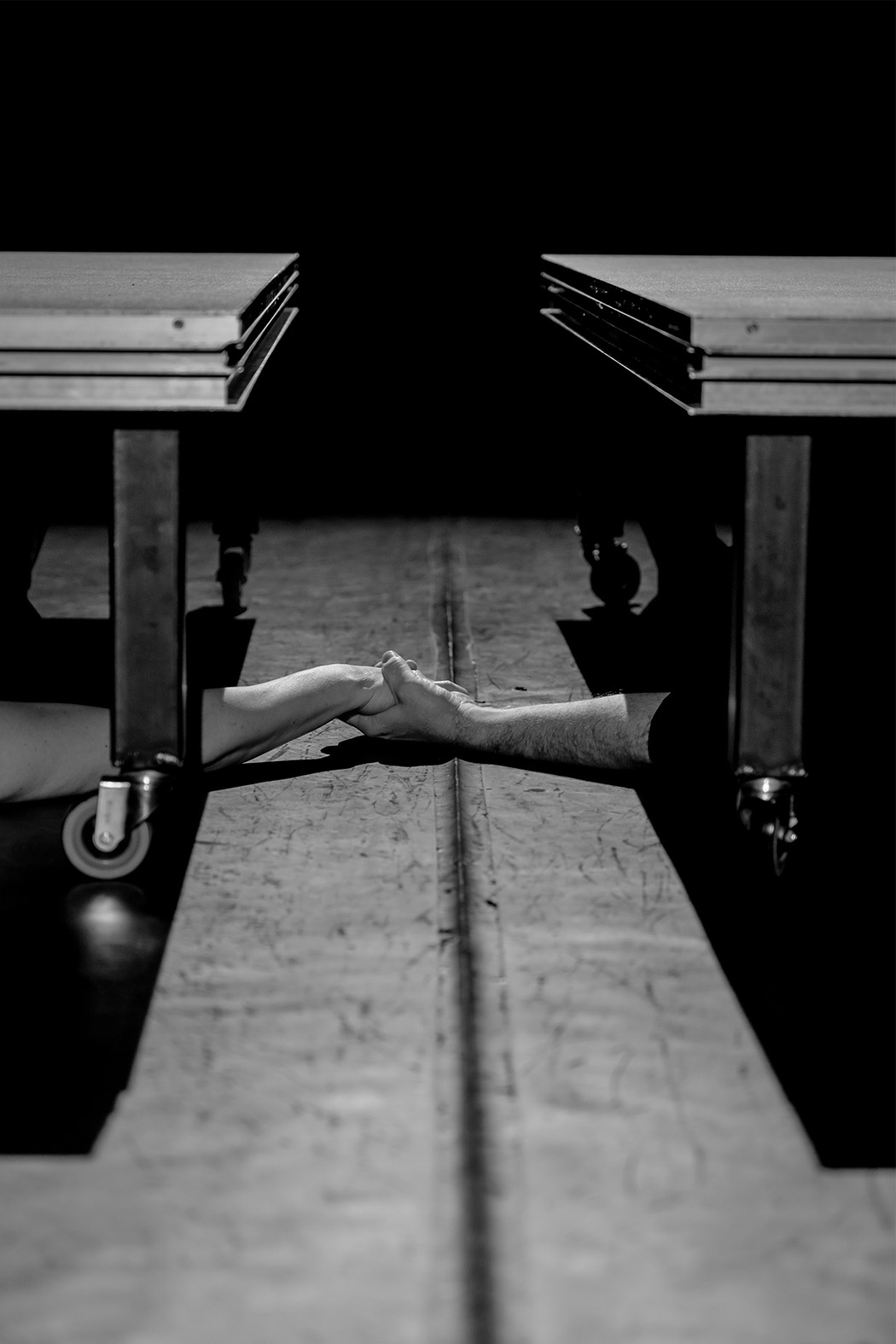
“A person’s true age is not measured in the years we have lived, but in those we still have left.”
Michel Houellebecq, “Annihilation”
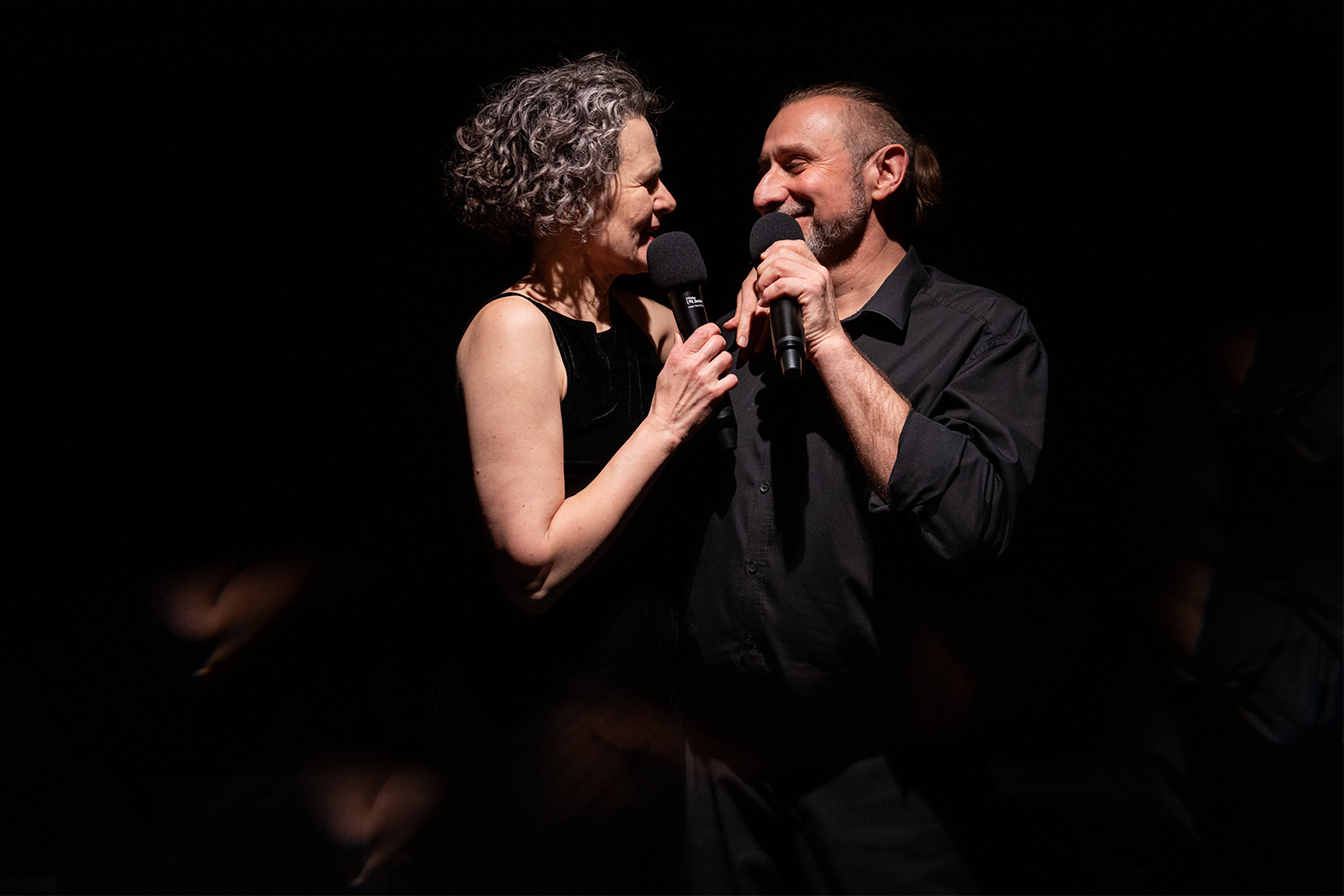
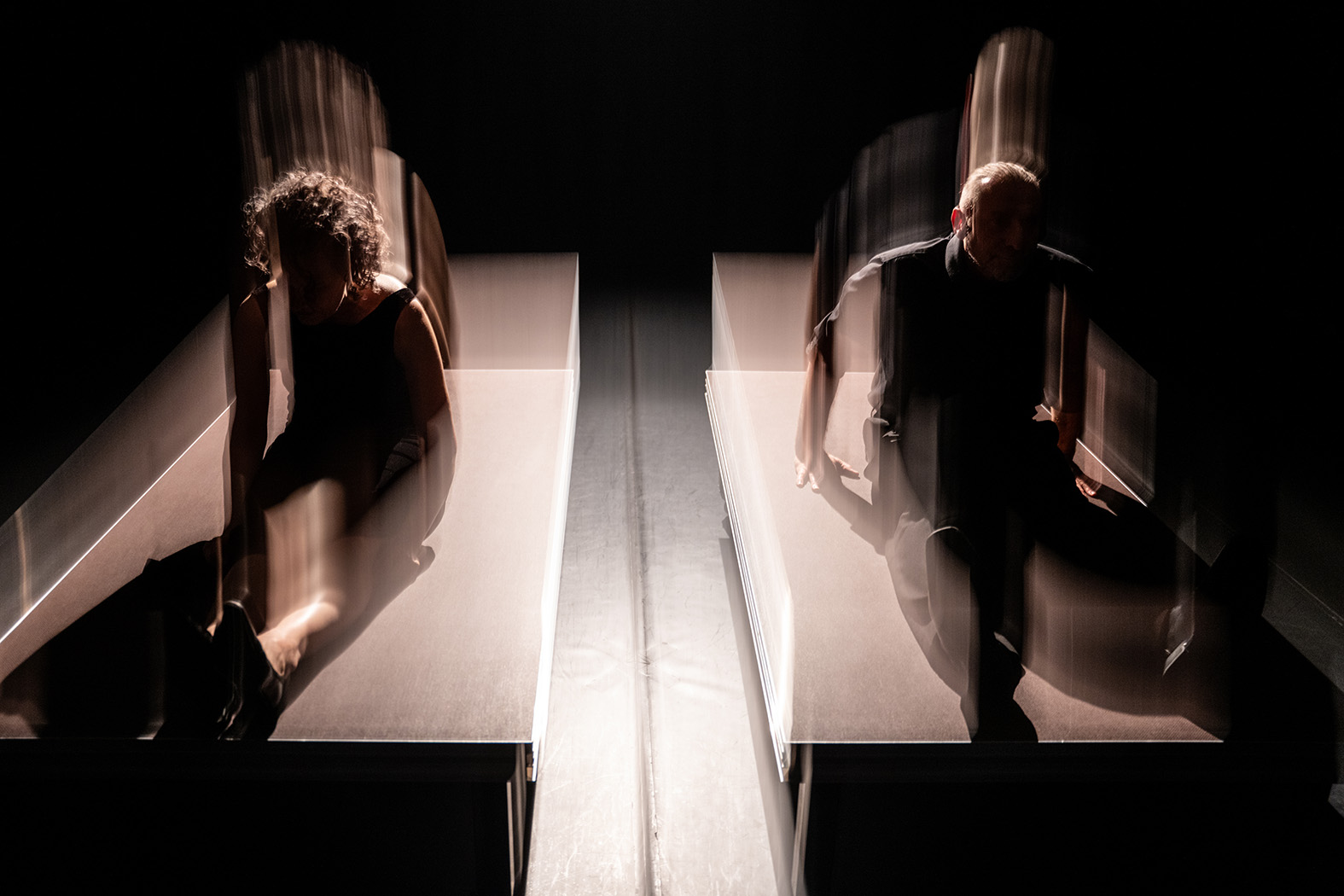
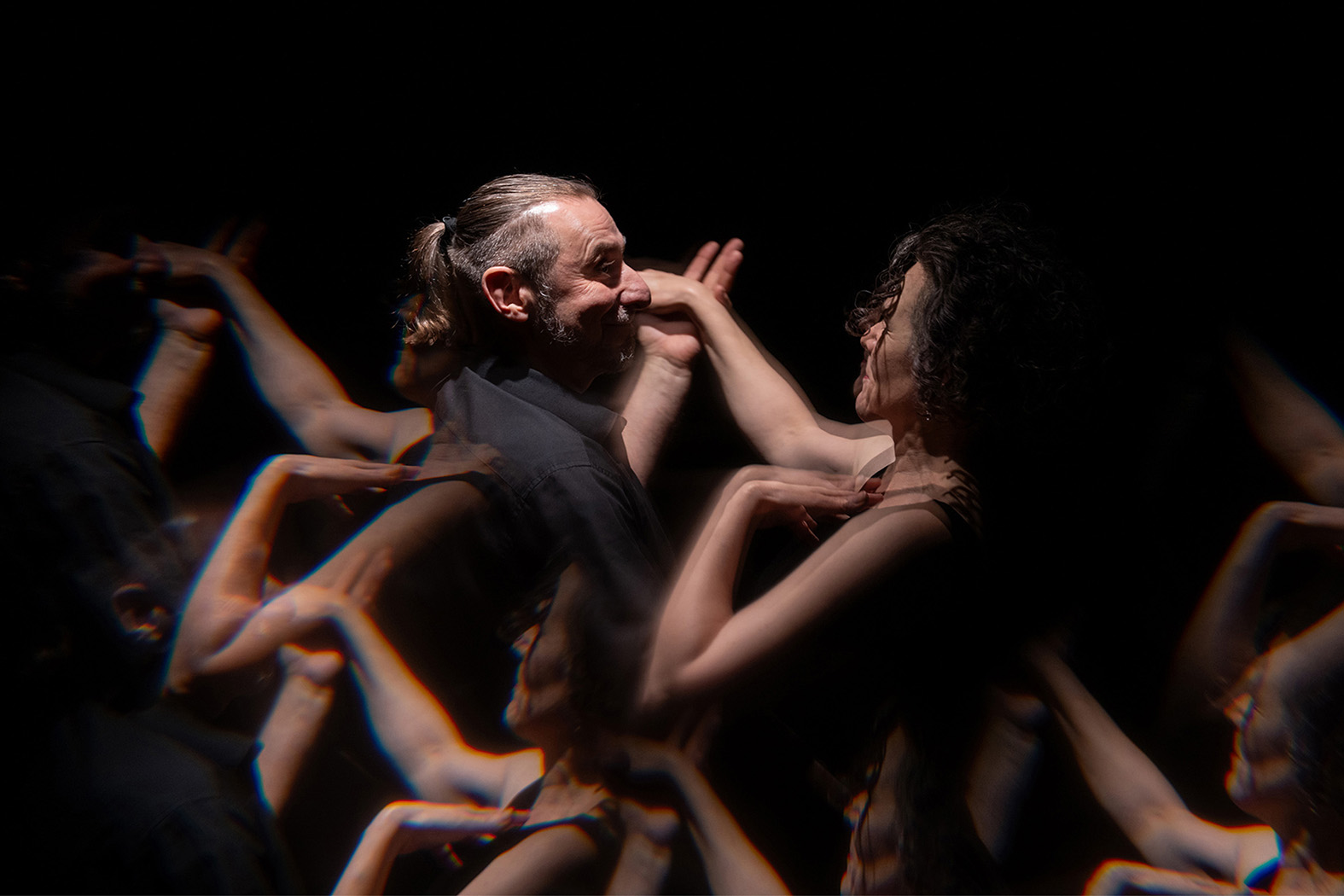
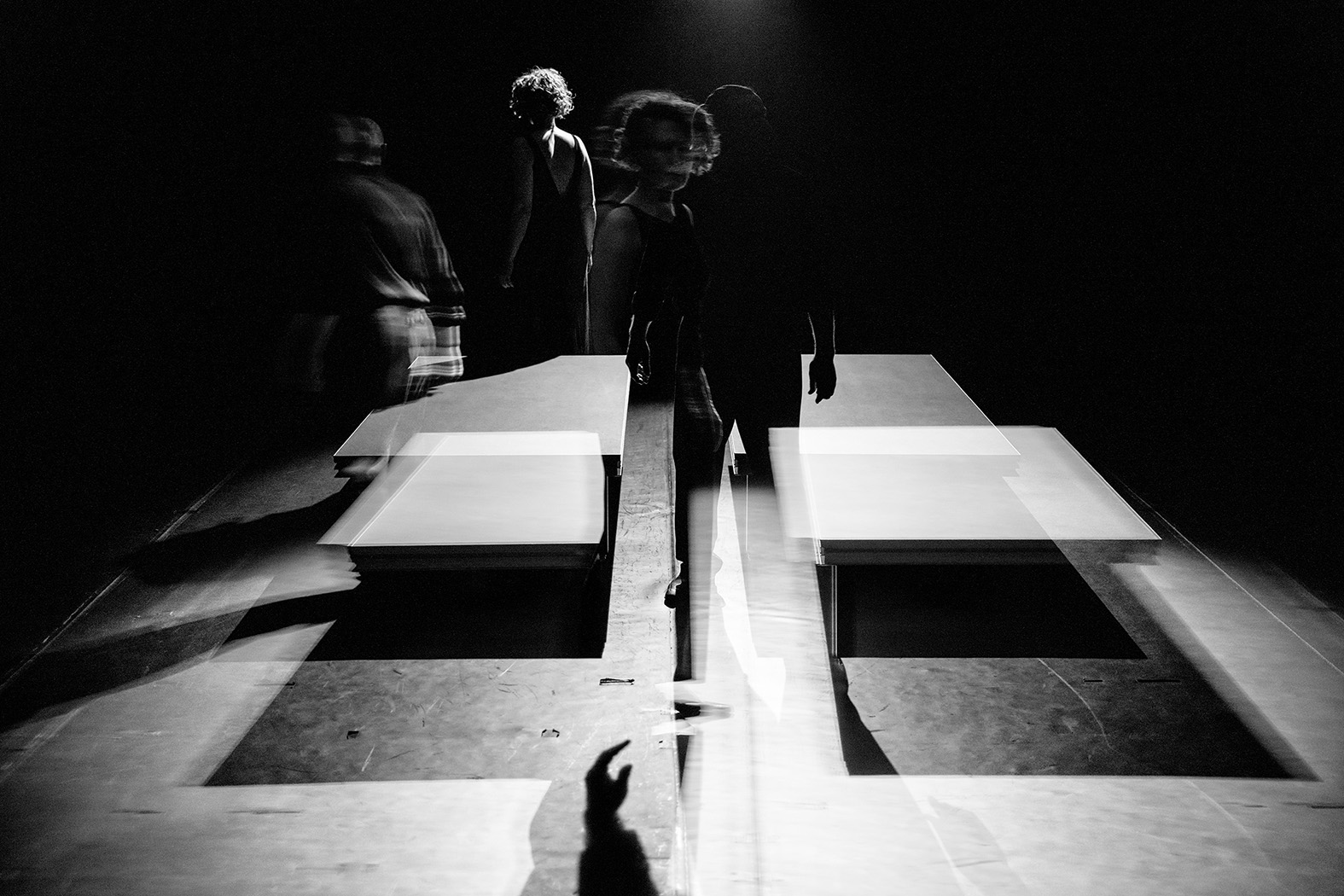
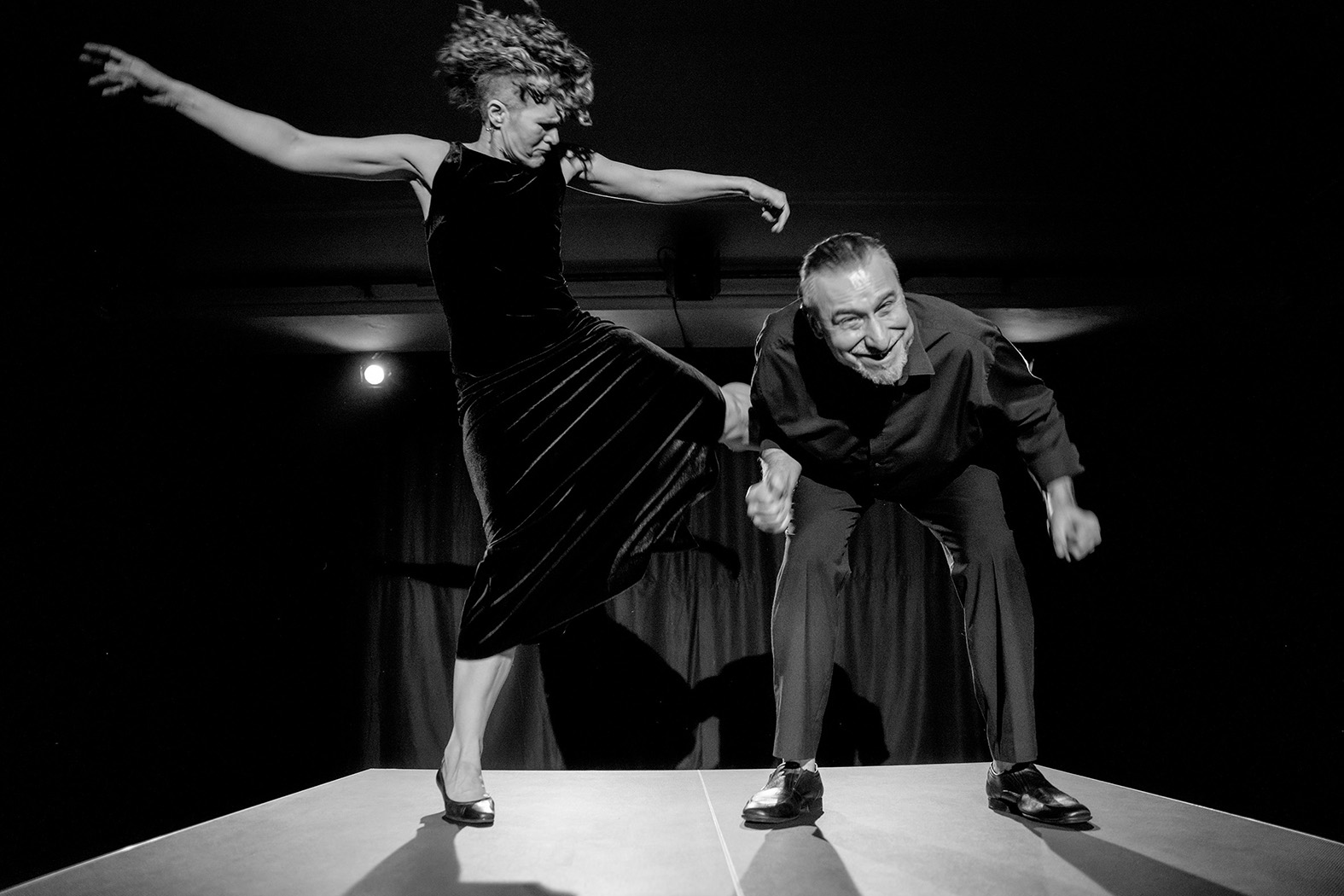
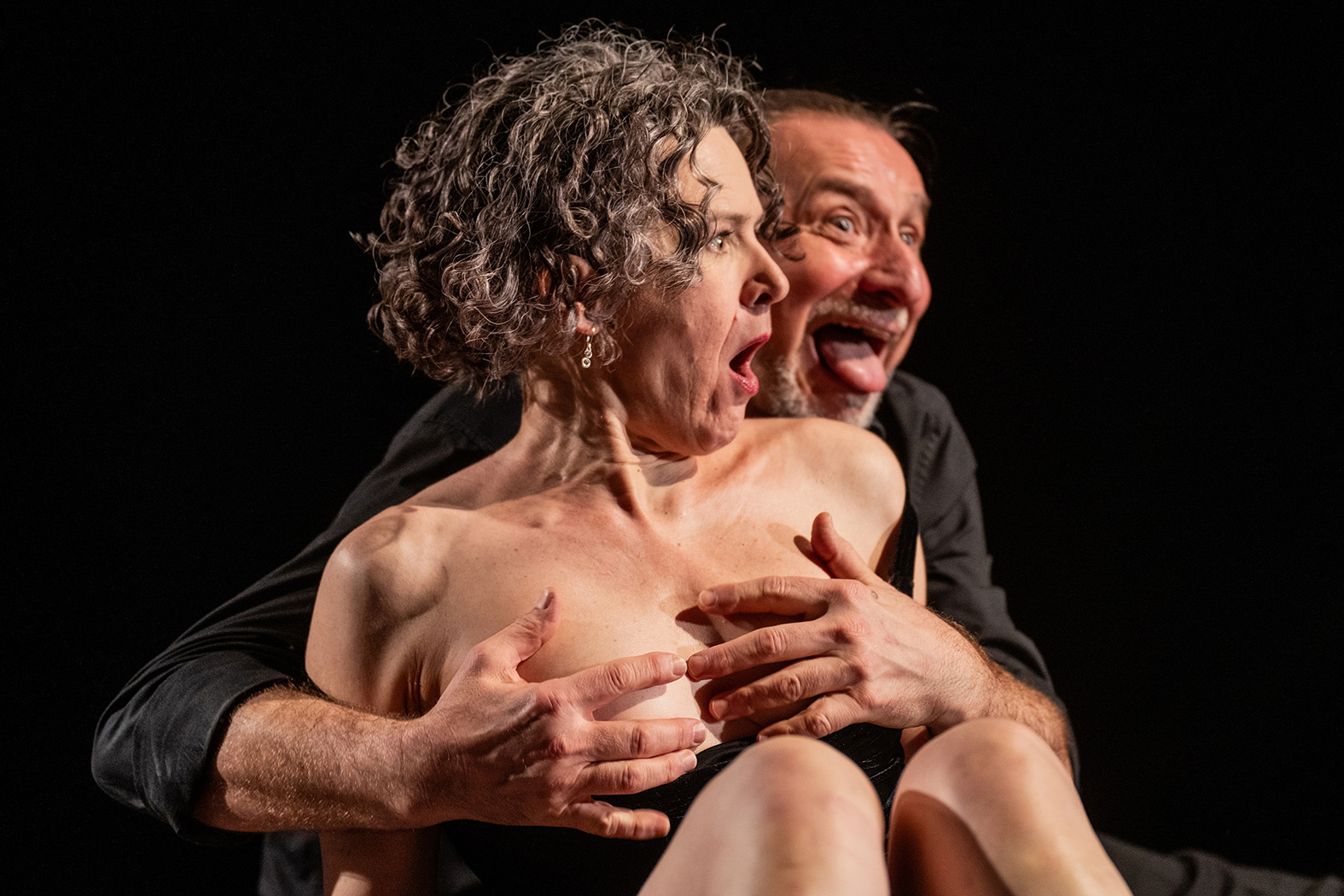
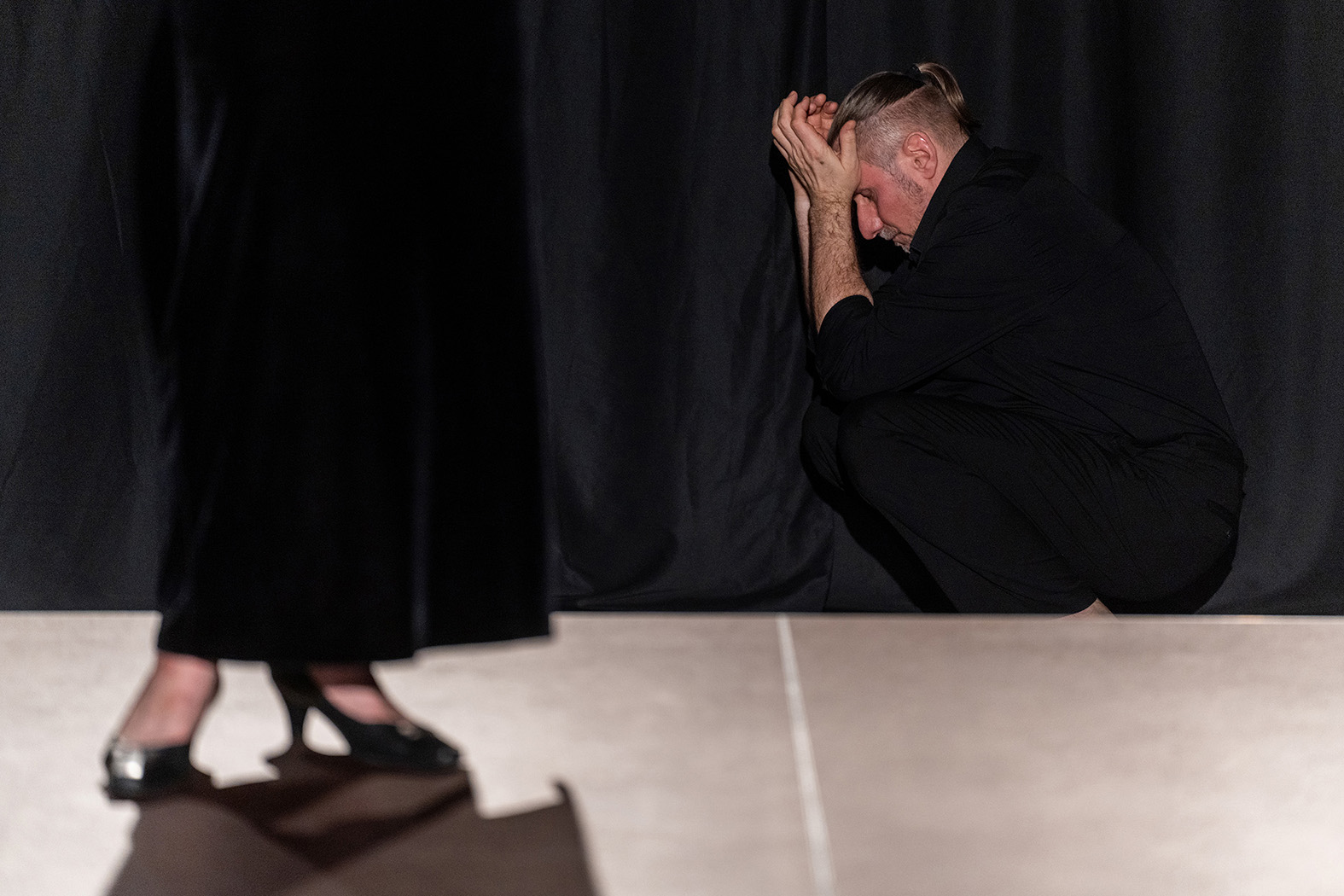
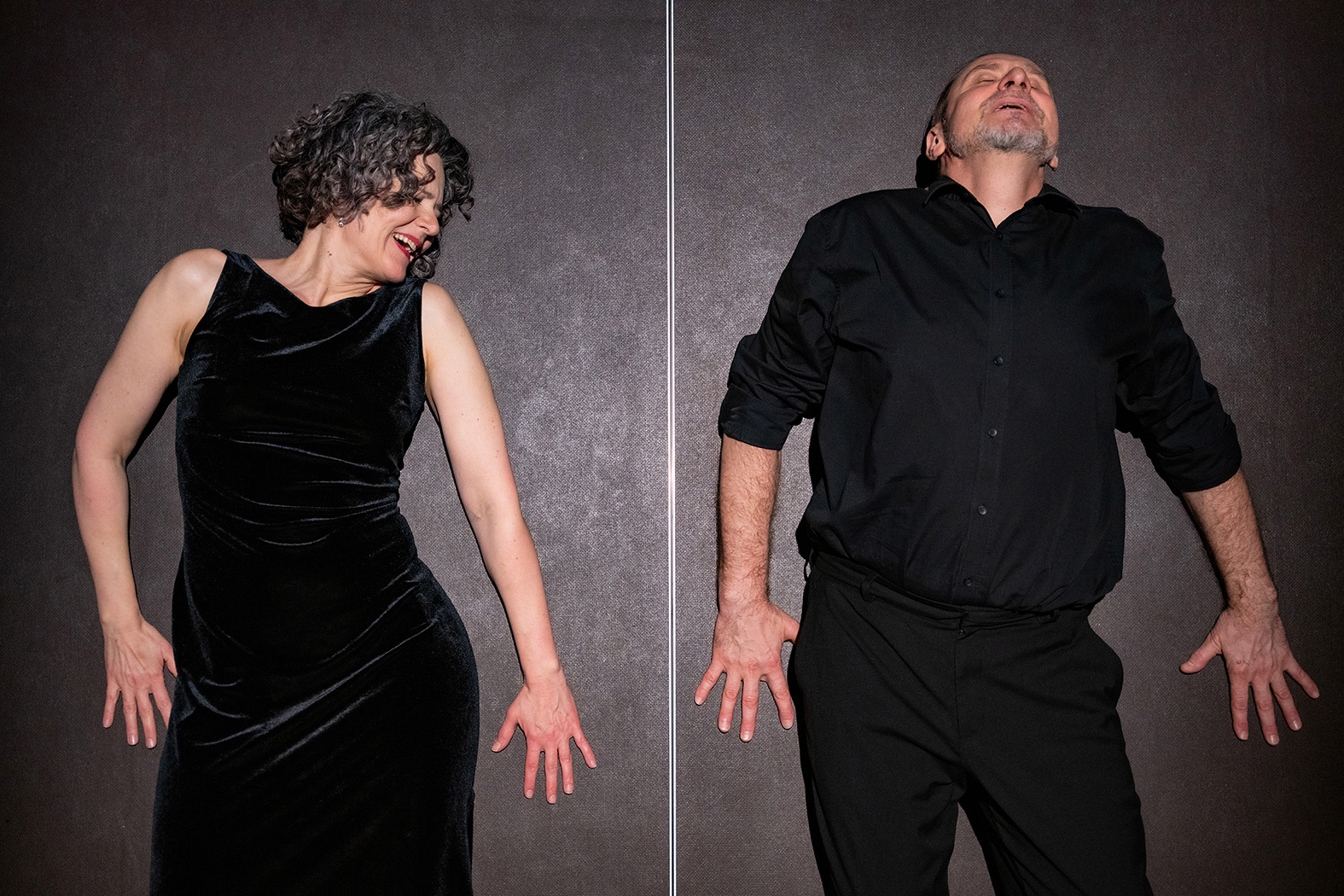
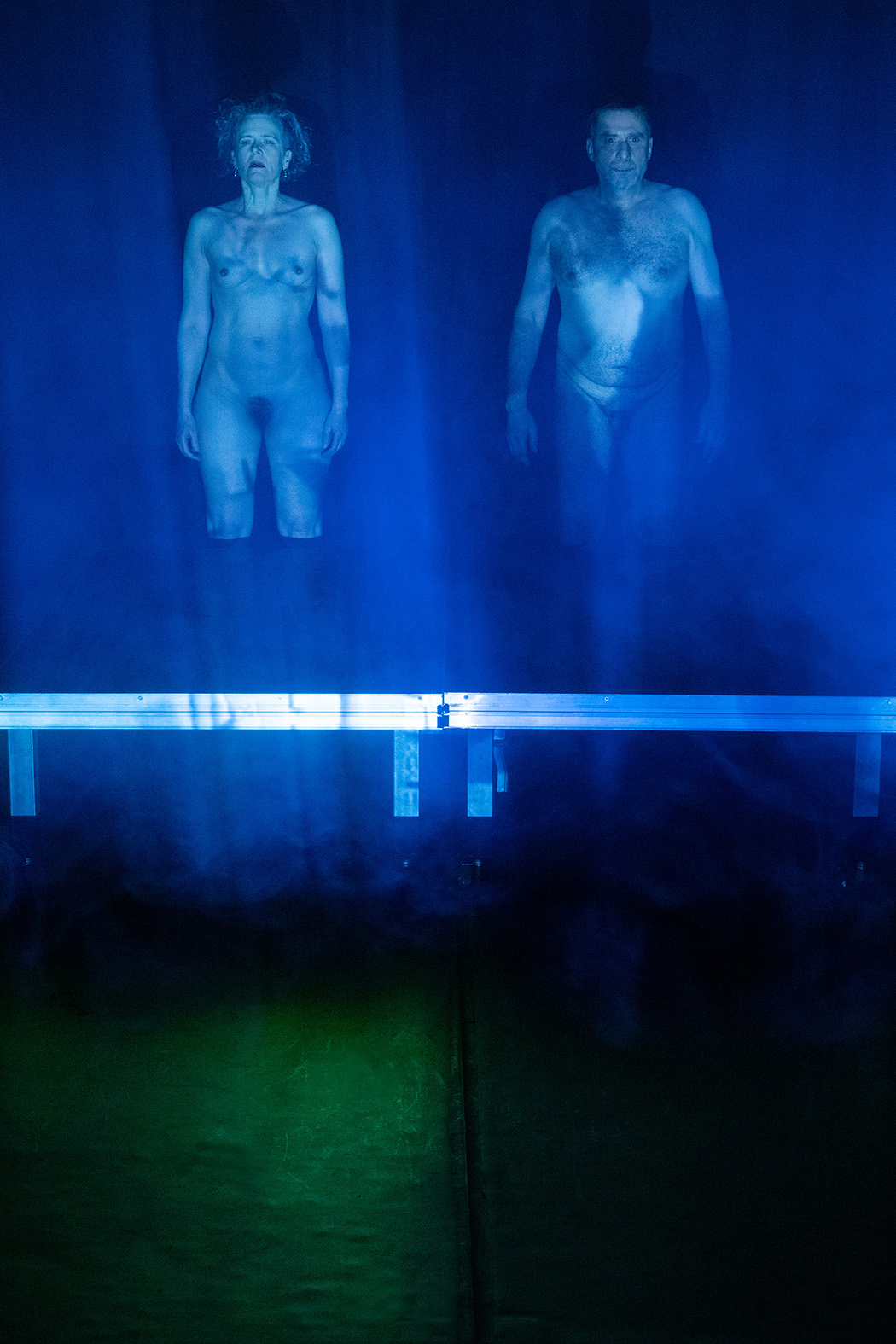
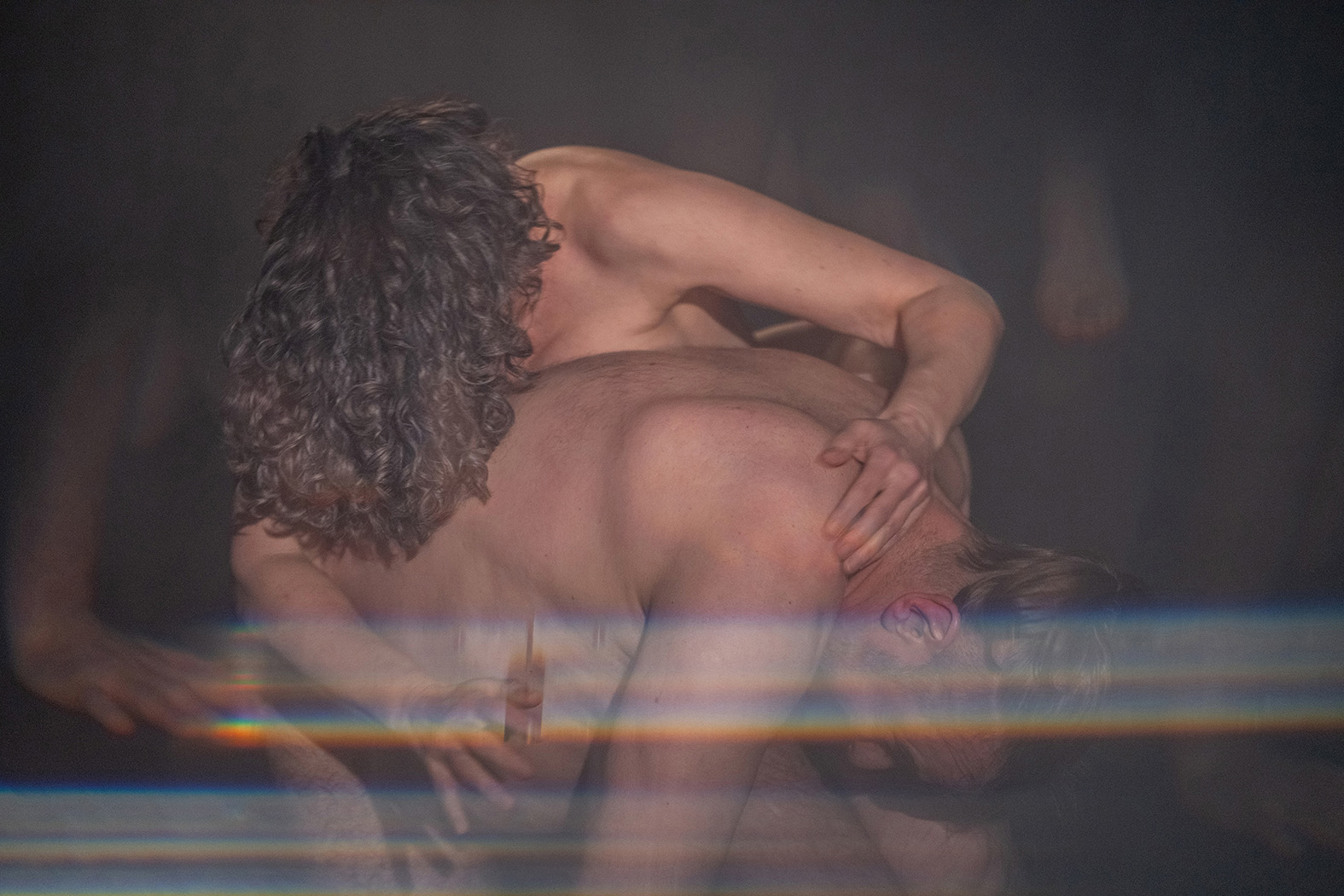
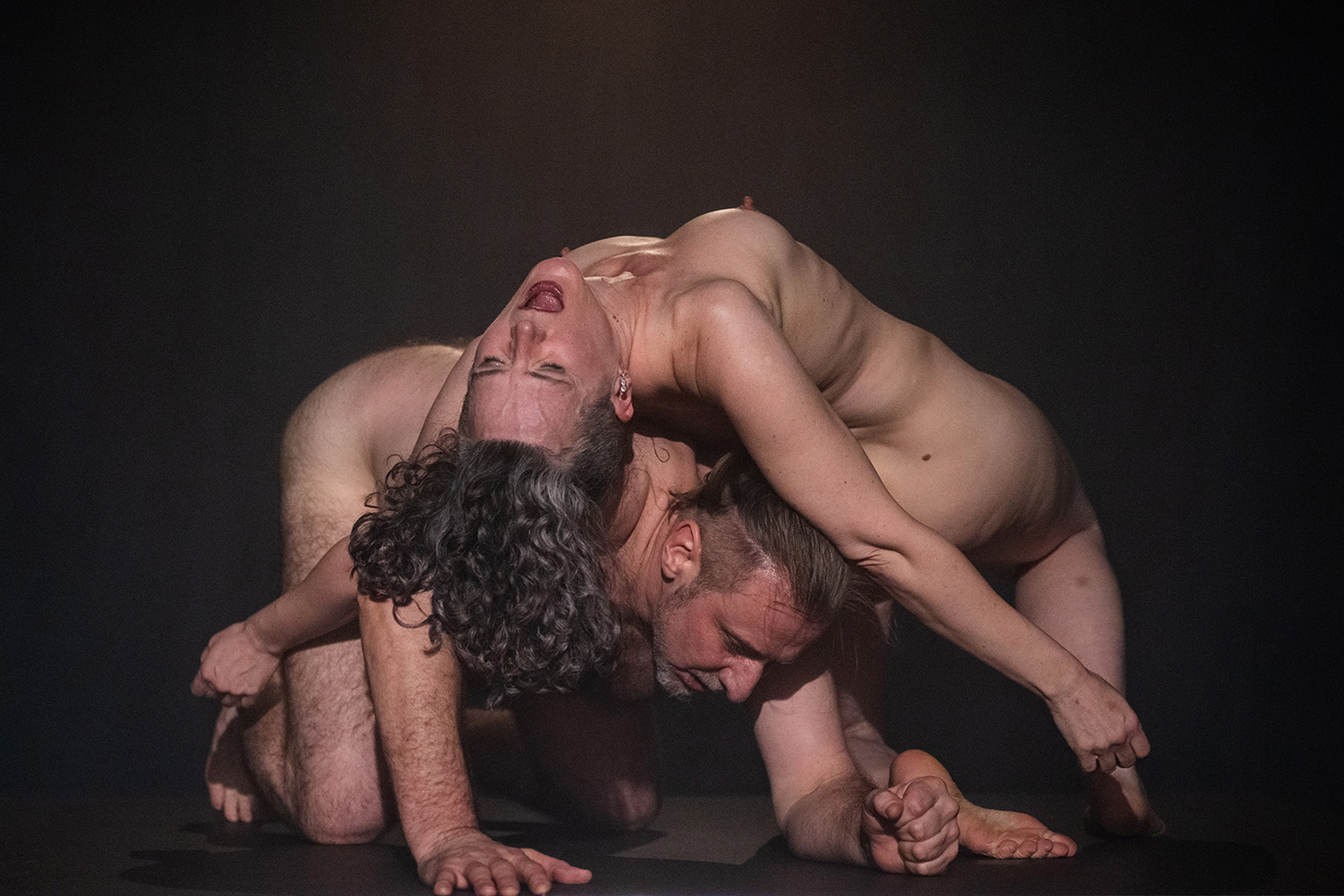
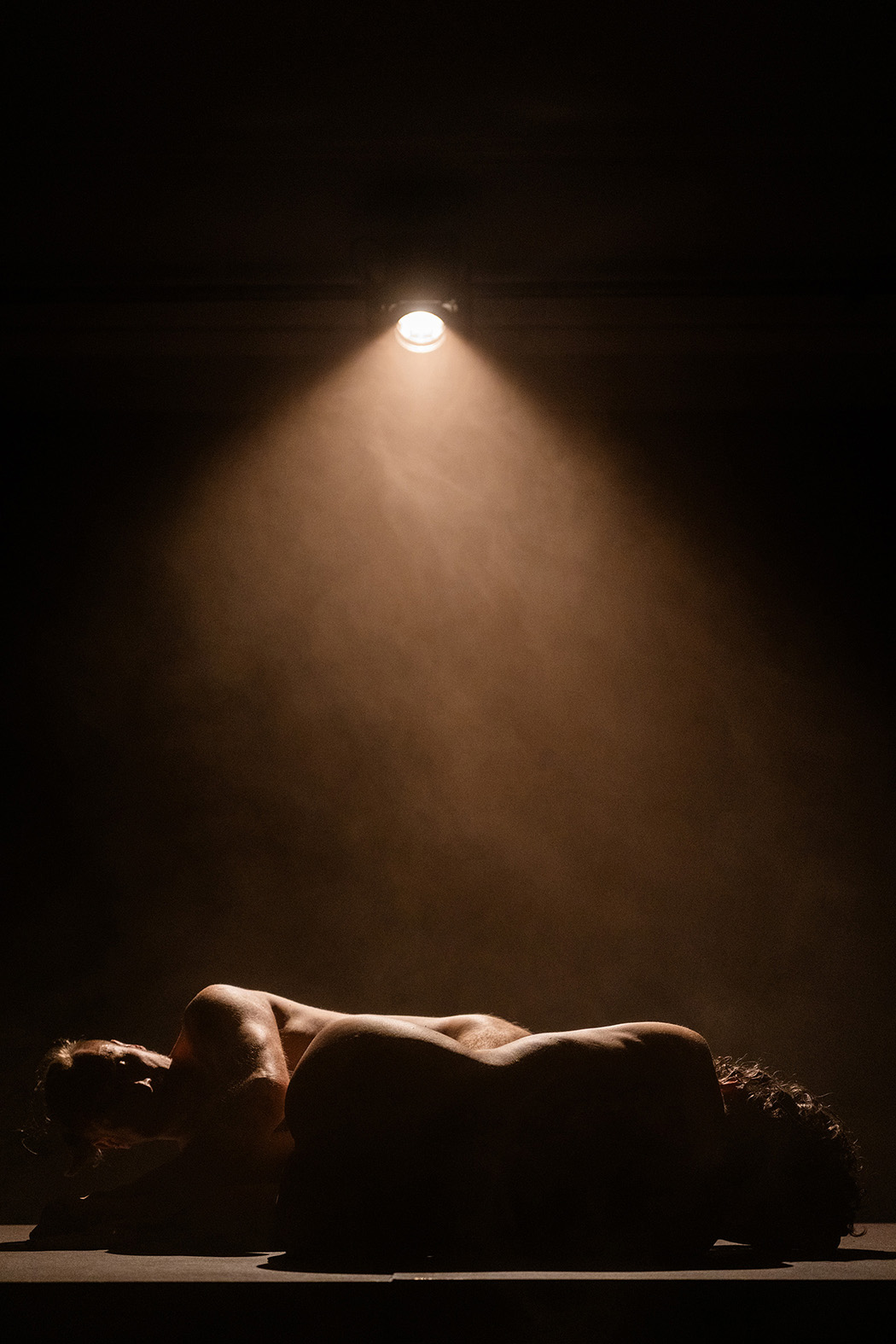
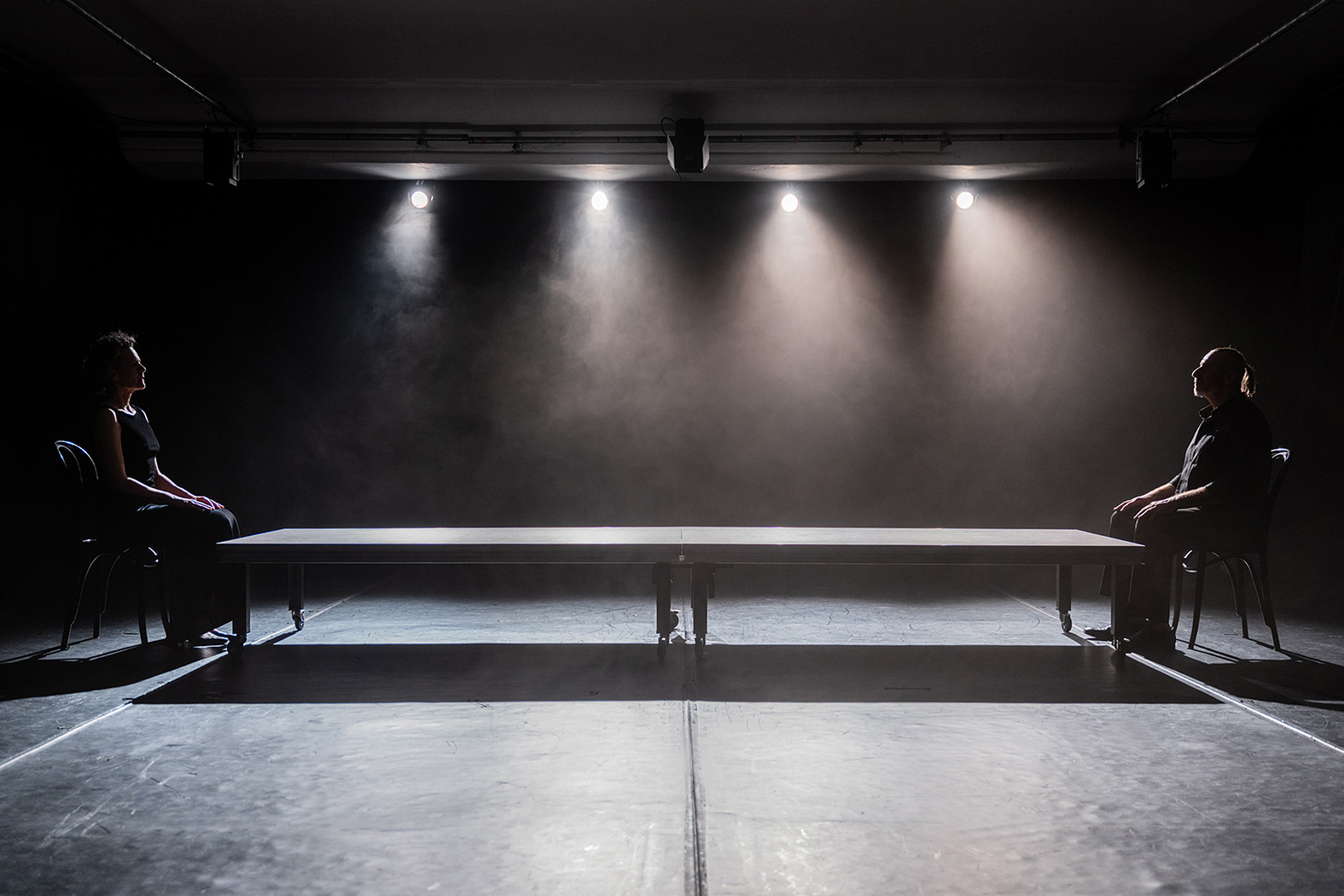
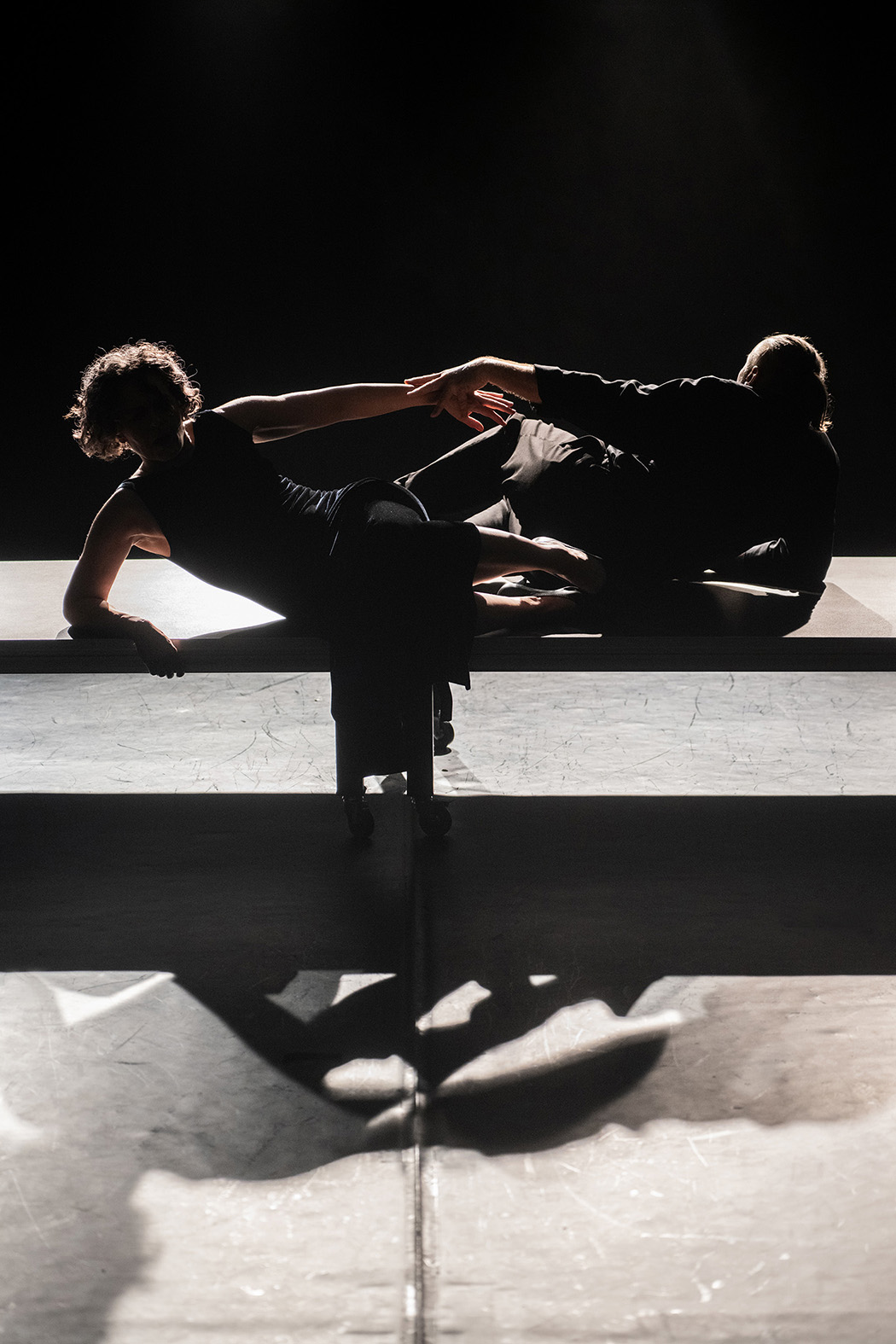
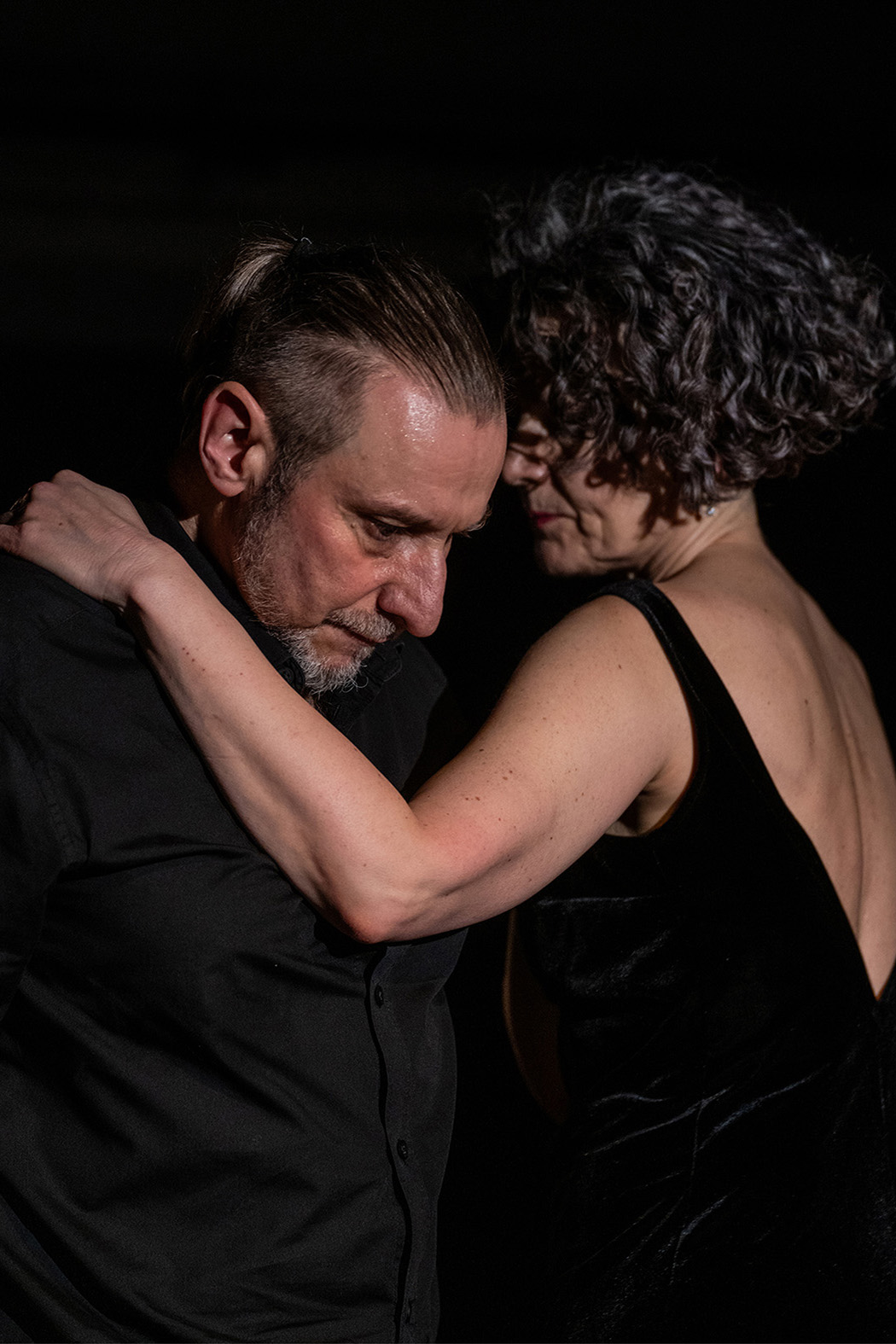
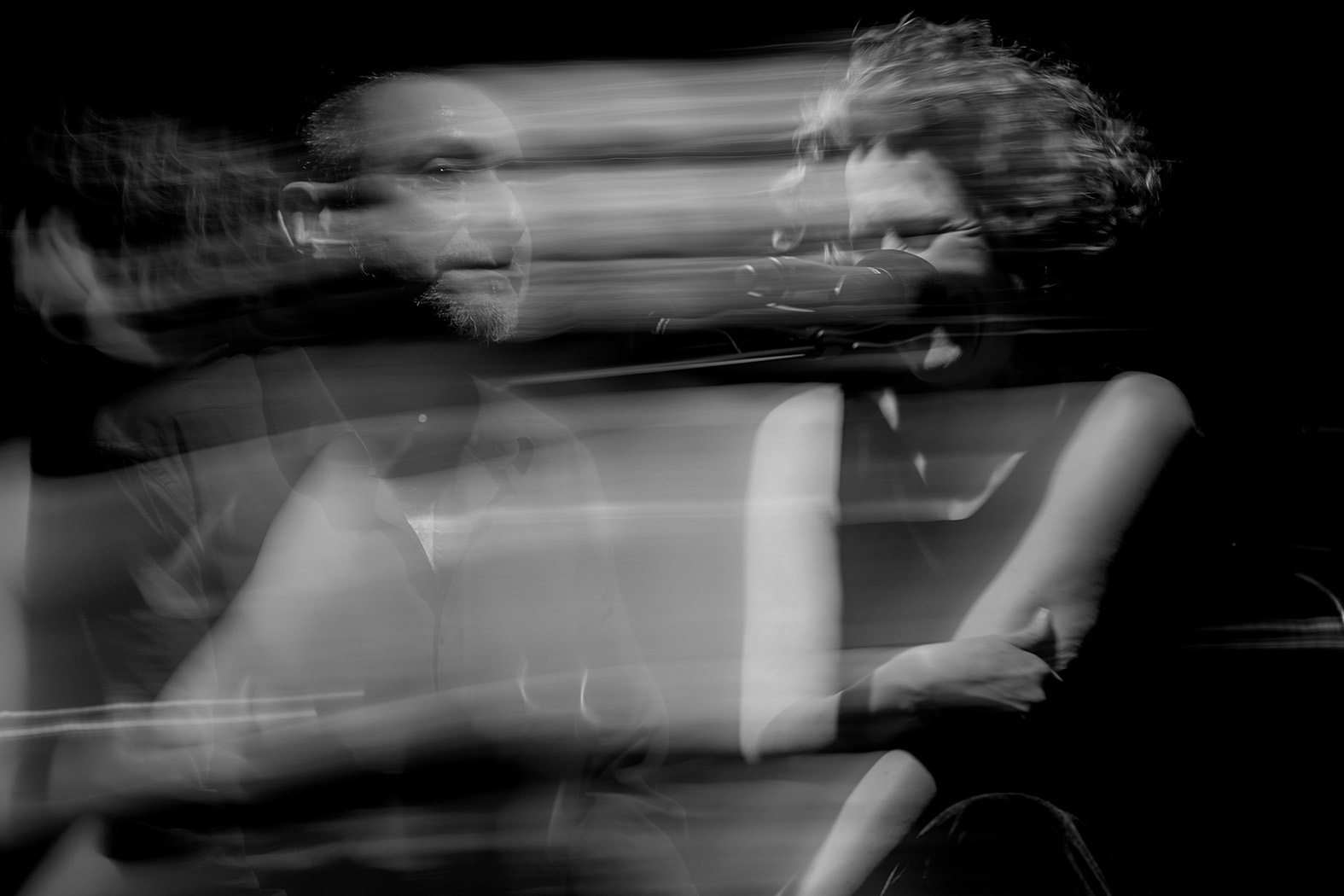
The PANIC DUET “Et in Arcadia ego. Solo for Two” is a benefit performance for two actors from Teatr A Part and co-authors of its many productions, the artistic couple Natalia and Cezary Kruszyn. The performance is a subversive summary of their journey together, as well as a theatrical reflection on aging and the passage of time.
The project’s title uses two phrases that describe, emphasize, and reinforce the play’s message. The first is the Latin admonition “And in Arcadia I am,” popularized by two 17th-century painters, the French classicist Nicolas Poussin and the Italian painter and art theorist Guercino, an equivalent of the famous “memento mori.” The second part of the title is a deliberately used paradox, a phrasal dissonance that reinforces the individuality of each partner/performer in the created duet.
The theatre project “Et in Arcadia ego. Solo for Two” is a “panic duet”. This nickname indicates an important area of inspiration and allusions, both aesthetic and semantic, contained in the performance. This refers to the Parisian post-surrealist panic movement, which created in the spirit of “anti-style”, a radical artistic group whose name alluded to the Greek god Pan, a violent and wild man from Arcadia (also identified with Satyr). The etymology of the word “panic” comes from Pan and the emotions that accompanied mortals’ encounters with the god. This, in turn, perfectly captures the states and emotions that accompany aging and the “climactic transition” (menopause, andropause). In this context, panic is the fear of infirmity, ugliness, illness, and death—the fear of a violation of one’s self-image and the loss of oneself. On the other hand, the word “panic” and its heightened signifier are also synonymous with actor/theatrical stage fright.
The panic movement, active in the 1960s in Paris, was co-founded by Roland Topor, Alejandro Jodorowski, Fernando Arrabal, and Jacques Sternberg, who chose Luis Buñuel and Antoine Artaud as their patrons. The panic movement, somewhat forgotten today, was one of the most expressive manifestations of its time, the era of counterculture and the new avant-garde, freedom of thought, life, and art. We are inspired by it, evoke it, and remember it.
A solo for two—a panic duet. Confusion, uncertainty, noise, paroxysm, paradox, fear—accompanies life, every life from beginning to end. In their unique, individual, and violent form, they are well known to all artists.* They are an indispensable part of the creative process, interwoven with it, unloved and unwanted. In a panicky duet, they become the co-protagonist of the performance, emanating a surreal power.
*Here we explain: if you don’t feel these emotions and don’t go through these states while creating, you’re not an artist, not at all.
“The Panic Movement. Its originators were simultaneously its co-creators, theoreticians, practitioners, popularizers, contestants, admirers, anti-censors, demiurges, verifiers, masters, and journeymen. The activities of Panicists concerned art, games, euphoric amusements, or indifferent solitude. The topics raised were: the self, allegories and symbols, mysteries, sex, and humor. The reality presented encompassed all possible states and shades: from reality to nightmare through all possible philosophies and moral systems. Gambling, memory, and chaos also appeared in it.
The heroes of Panic works were honest citizens, their pure talent, enthusiasm, negation of the law of gravity, joy of life, cult of happiness, tenderness, and delicacy. Panic works took on mathematical forms, paradoxical ambiguities, anti-irony, and immanent contradiction. They were works of illusion, imaginary, Paranoid, schizophrenic, filled with megalomania and modesty, with hope and bitterness; they were rooted in mythology and mythomania. The “panicists” declared openly that the panic movement was neither a group nor an artistic or literary movement. It was rather a lifestyle, or more accurately, an anti-style. Anyone could become a panicist. Anyone could consider themselves the creator and originator of the panic theory, and could claim credit for inventing attitudes, founding a world panic academy, and appointing themselves its president.
Source: Toportret pozapaniczny, Culture.pl
Script, direction, space design, lighting: Marcin Herich
Script collaboration, performs: Natalia Kruszyna and Cezary Kruszyna
Technical support: Cezary Kruszyna
Music: Angel, Armando Trovajoli, Jan Sebastian Bach, Echonomist & Jenia Tarsol, Fetish Park, Ludovico Einaudi, Marcin Wasilewski Trio, Paul Schütze, Social Interior, Stavroz, Vasily “Mushroomer” Kashnikov and James Q. „Spider” Rich & Boots Randolph
The dialogues and monologues in the performance are improvised by the actors.
The performance uses quotations from the writings and statements of Zdzisław Beksiński, Jan Sztaudynger, Mark Twain, Stanisław Ignacy Witkiewicz and Stanisław Wyspiański.
The performance uses excerpts from the recording of the happening “Teatro Sin Fin” (also known as “Melodrama Sacramental”) featuring Alejandro Jodorowski, presented at the Paris Festival of Free Expression in May 1965.
Duration of the performance: 80 minutes
Premiere: December 11, 12, and 13, 2025, Scena/Atelier Teatru A Part, Katowice
The next performances:
– January 14 and 17, 2026, Stage/Atelier of Teatr A Part, Katowice
The task was completed with financial support from the Silesian Province.
The project was awarded in the TEATROGRANTY 2025 competition, organized by the Katowice City of Gardens Cultural Institution.

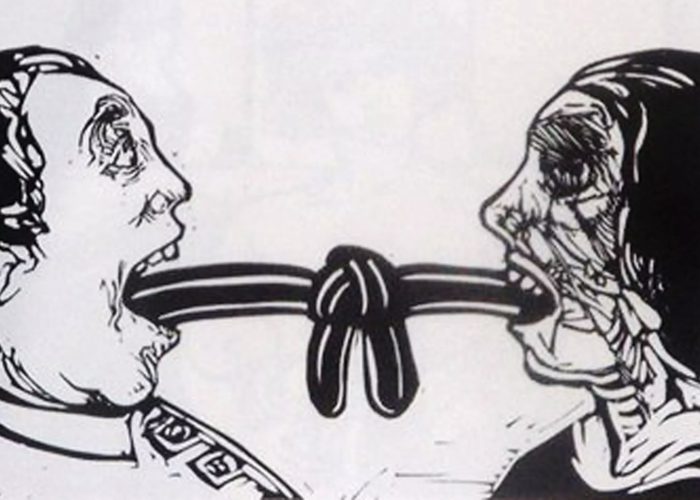
The photo elow shows a lithograph of Roland Topor’s “Love Letters” (1975).
Photos: Agnieszka Seidel-Kożuch.
open gallery