The cultural past of the outhouse building on 3 Maja (Grundmannstrasse) street number 11a in Katowice, where now on the first floor the art scene of Teatr A Part has its place, is connected with the German history and two global war conflicts of the XXth century. In 1907 the buildning had been adapted into a silent cinema. Grand Kinematograph existed there until 1915 so until the first years of the I World War when it went bankrupt. Durning the II World War when Katowice was already annexed by the Third Reich, the building held the activity of the German kabarett – beerhouse Künstlerspiele (1940-1944).
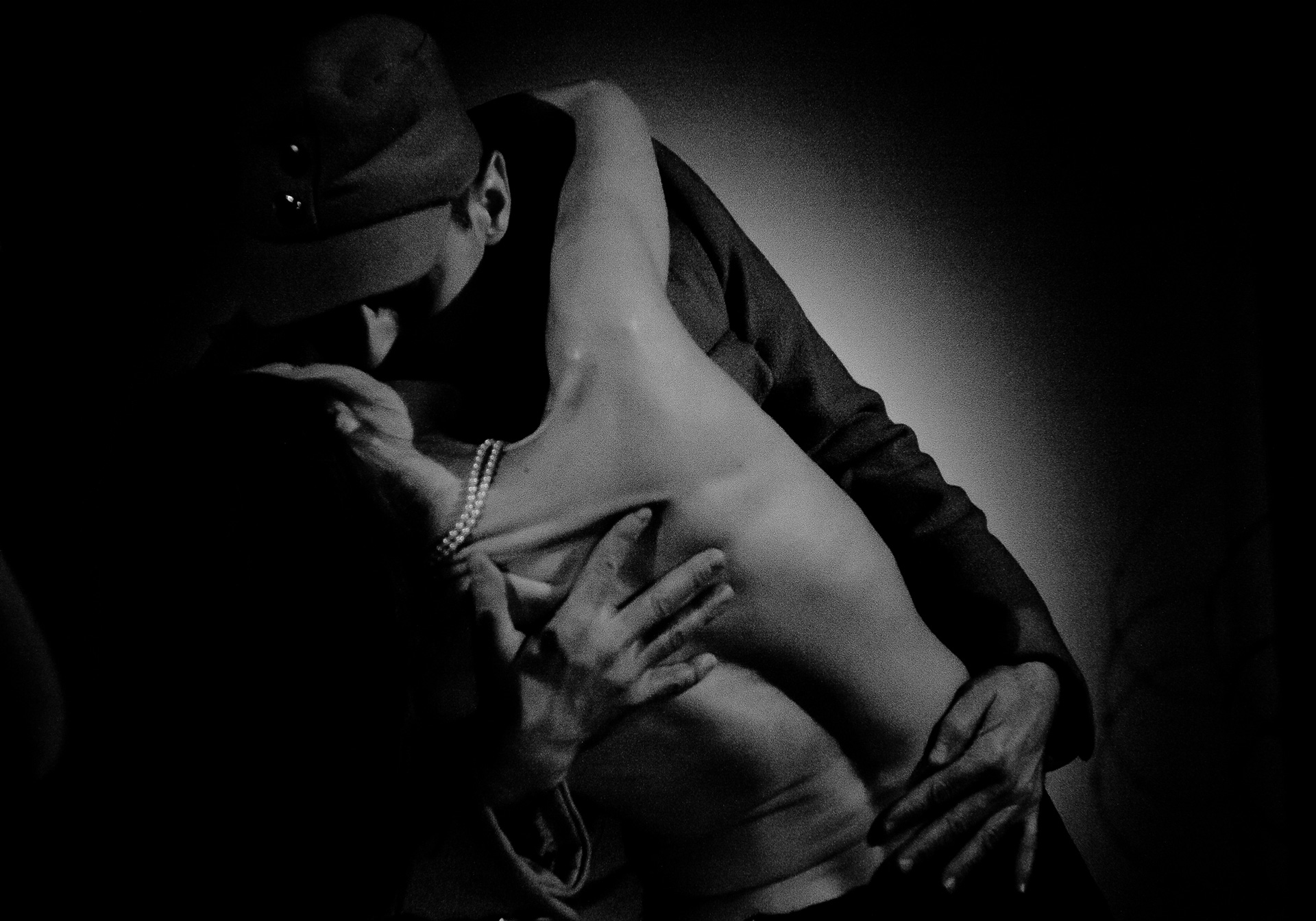
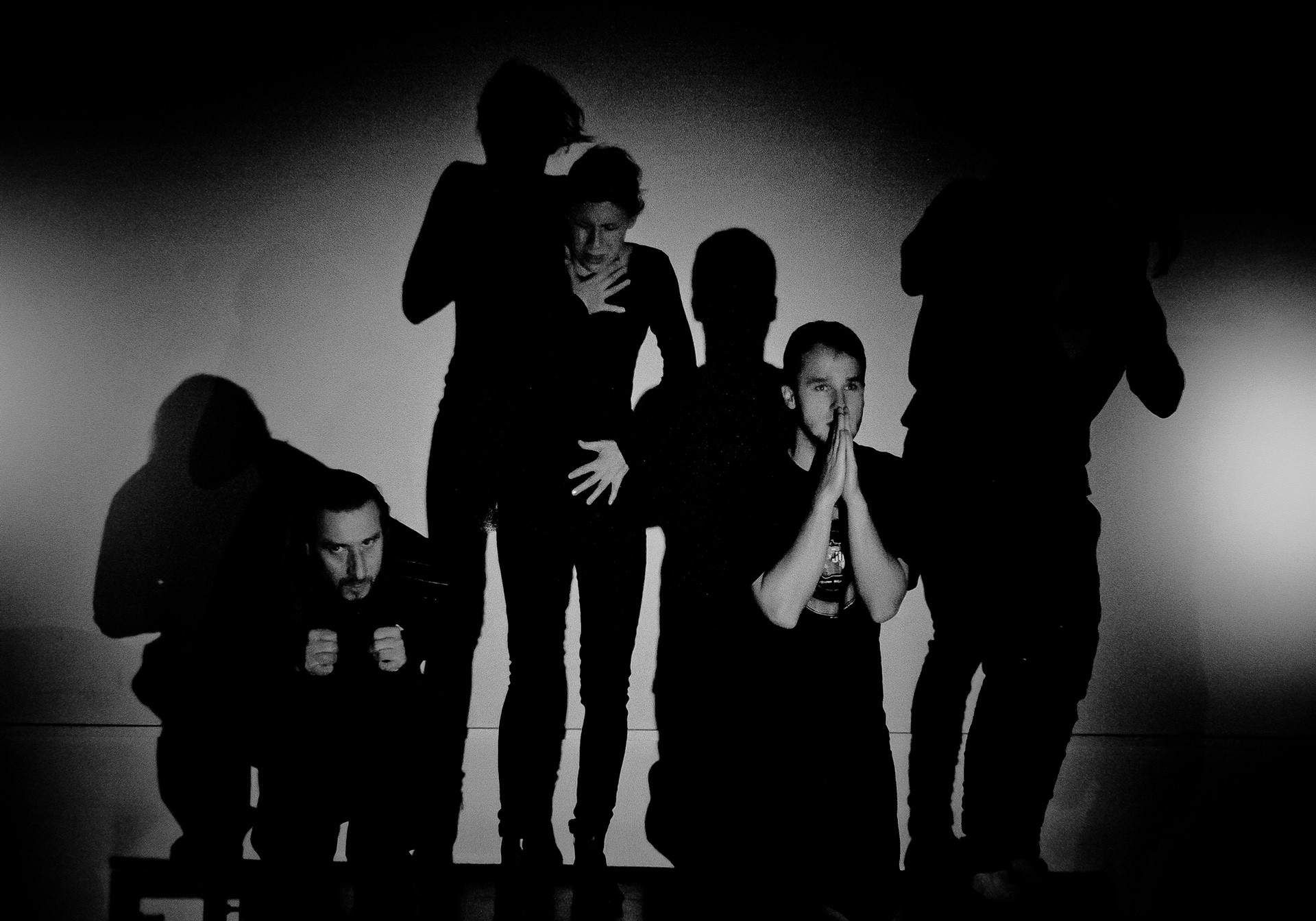
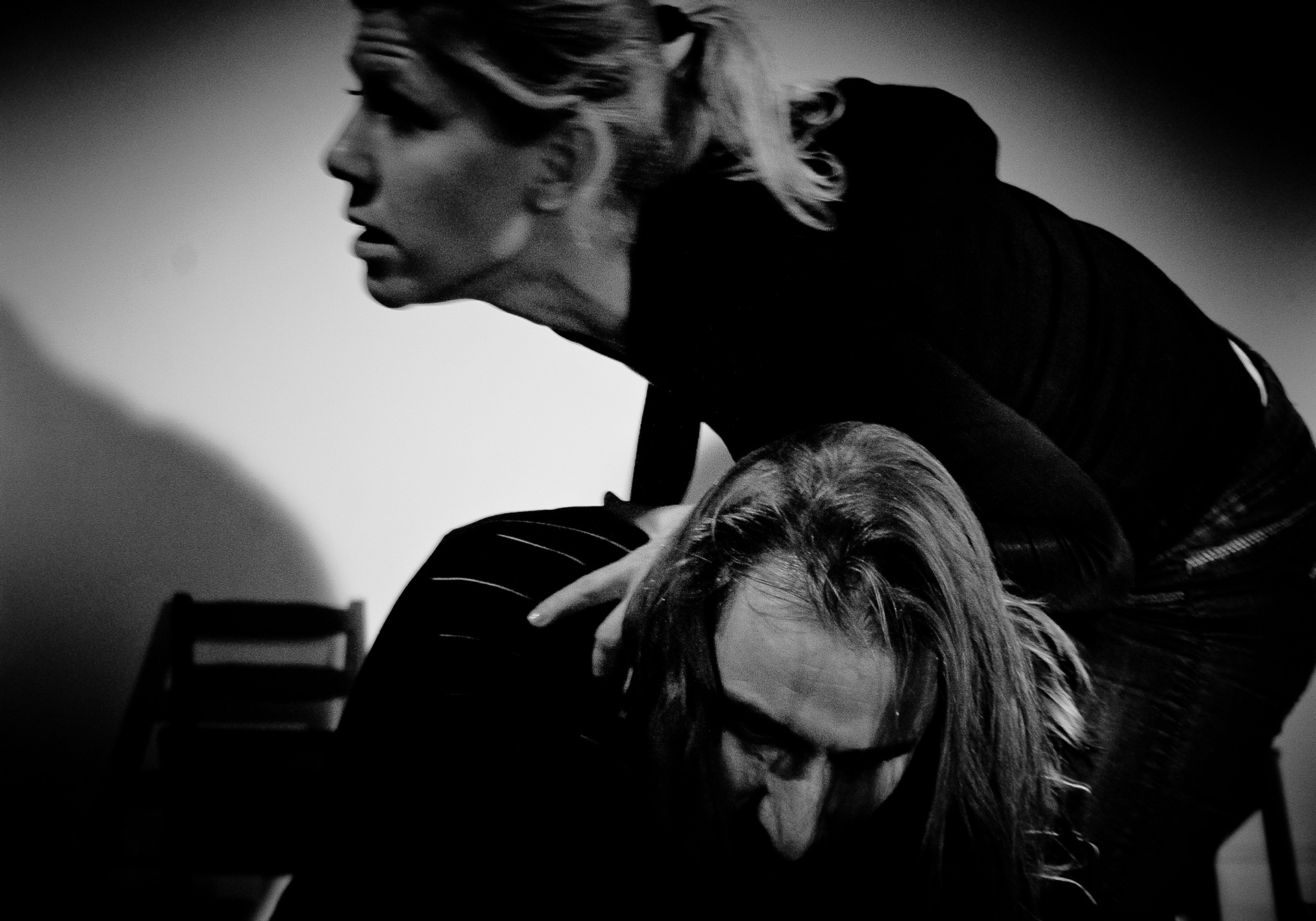
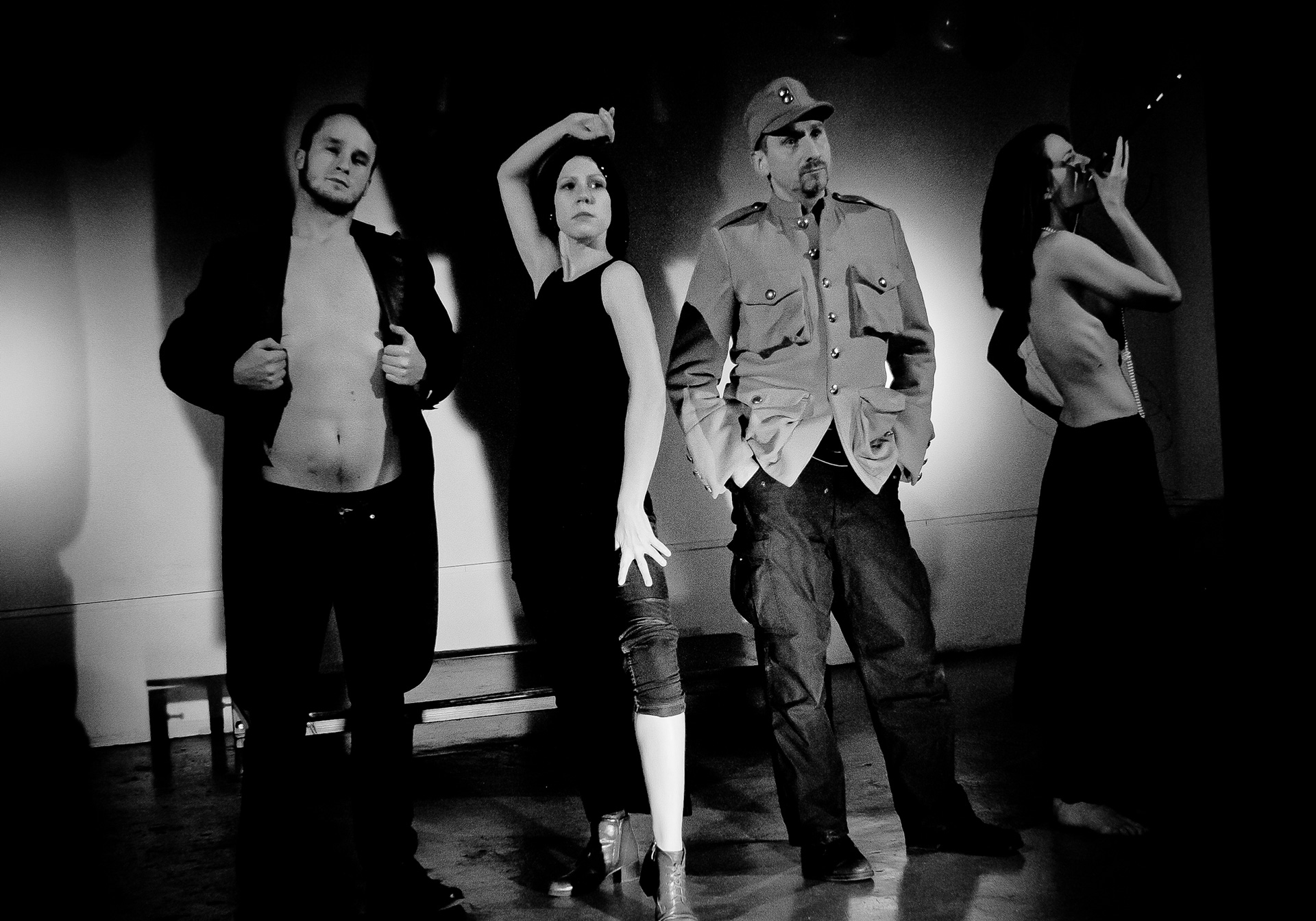
In “Künstlerspiele. Scenes from the Great War” we borrow this name, we bring back the spirit of the place and the time that passed (Zeitgeist) to combine the themes associeted with the convension of an old German and French artistic cabaret, characteristic features of the Teatr A Part style and the topic of war. Cabaret “Künstlerspiele” by Teatr A Part is, therefore, a sequence of theatre variations where the echoes of the world wars, especially the first one called the Great War and the shadows of old cabarets of Berlin, Paris, Zurich and Vienna intertwine, overlap and merge.
We lean over the bodies of the war victims, we look at ourselves through the stories and achievements of our long – dead fellow artists and without a hint of satisfaction but with a good dose of decadence we find our own selves in them.
Scenes from The Great War
PROGRAMME
01. Prologue
02. Cabaret Decadente
03. Tests for fear and death
04. Hell of trenches
05. Sent for the slaughter
06. Gallop of cripples
07. Anomalies Cabaret
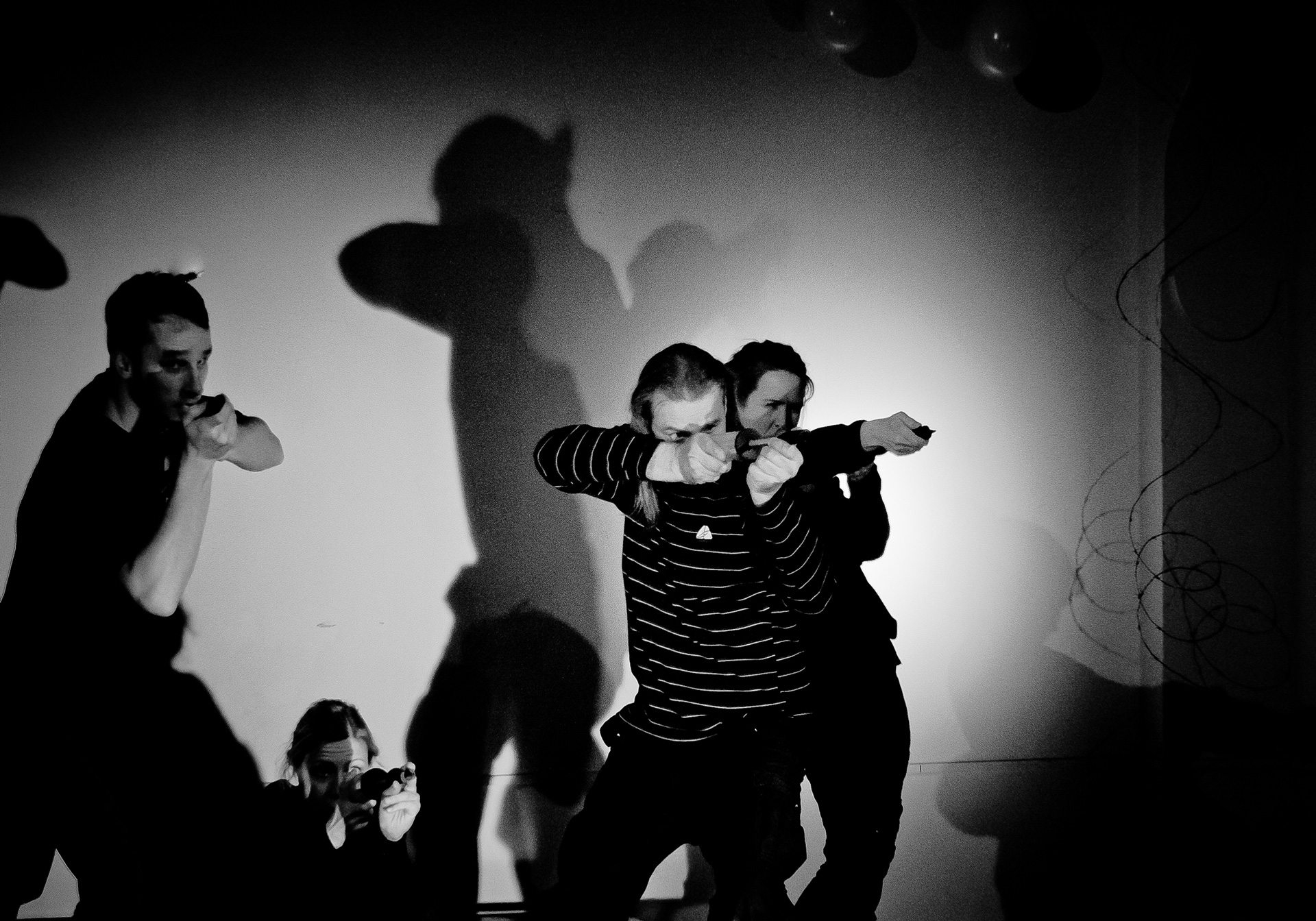
08. Execution of artists
09. Cabaret Voltaire
10. Allegory of the total war
11. Landscape after battle
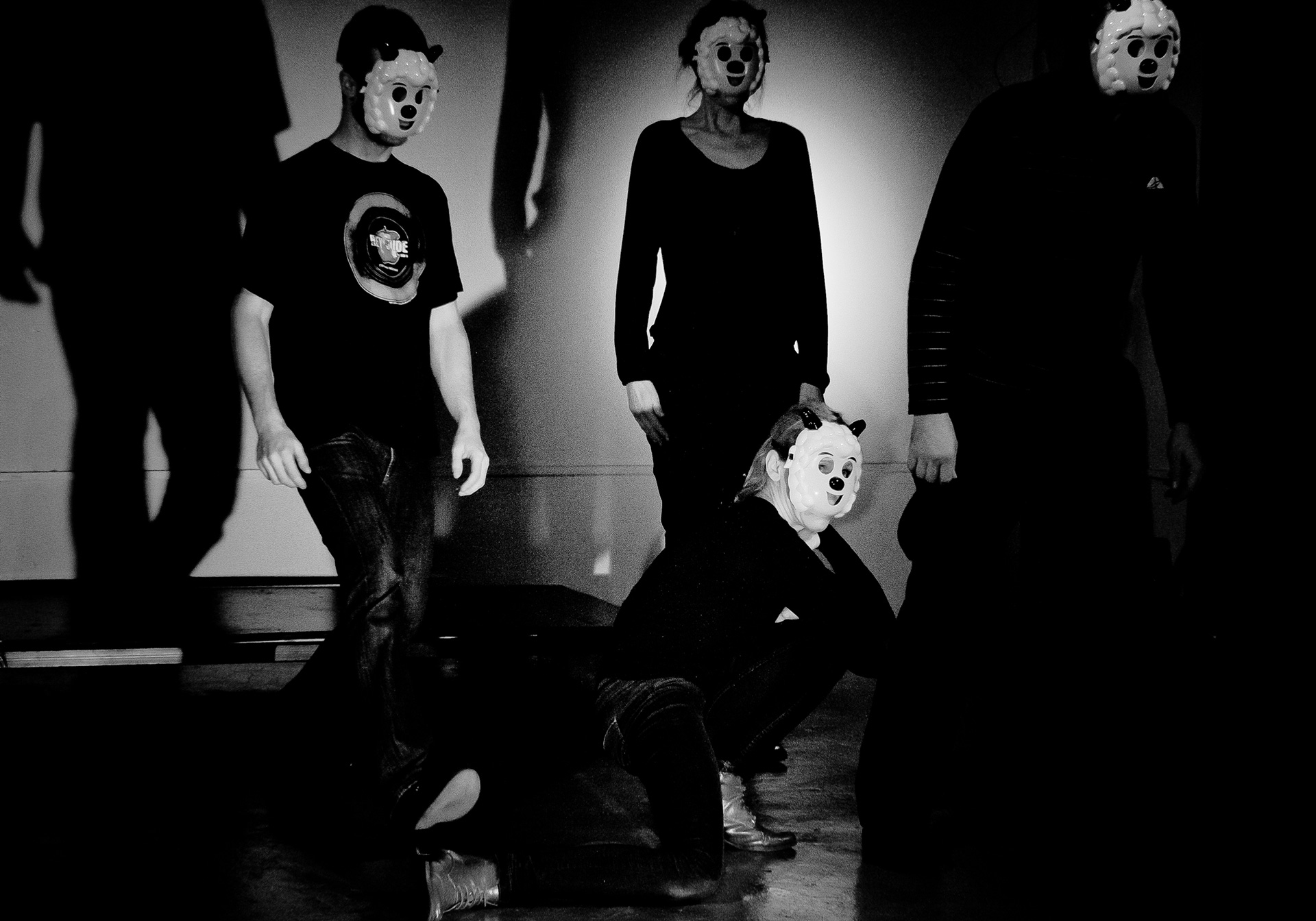
12. Totentanz
13. Applause probably
14. Possibly scene for encore
concept, script, direction and set design: Marcin Herich
script co-operation: the team
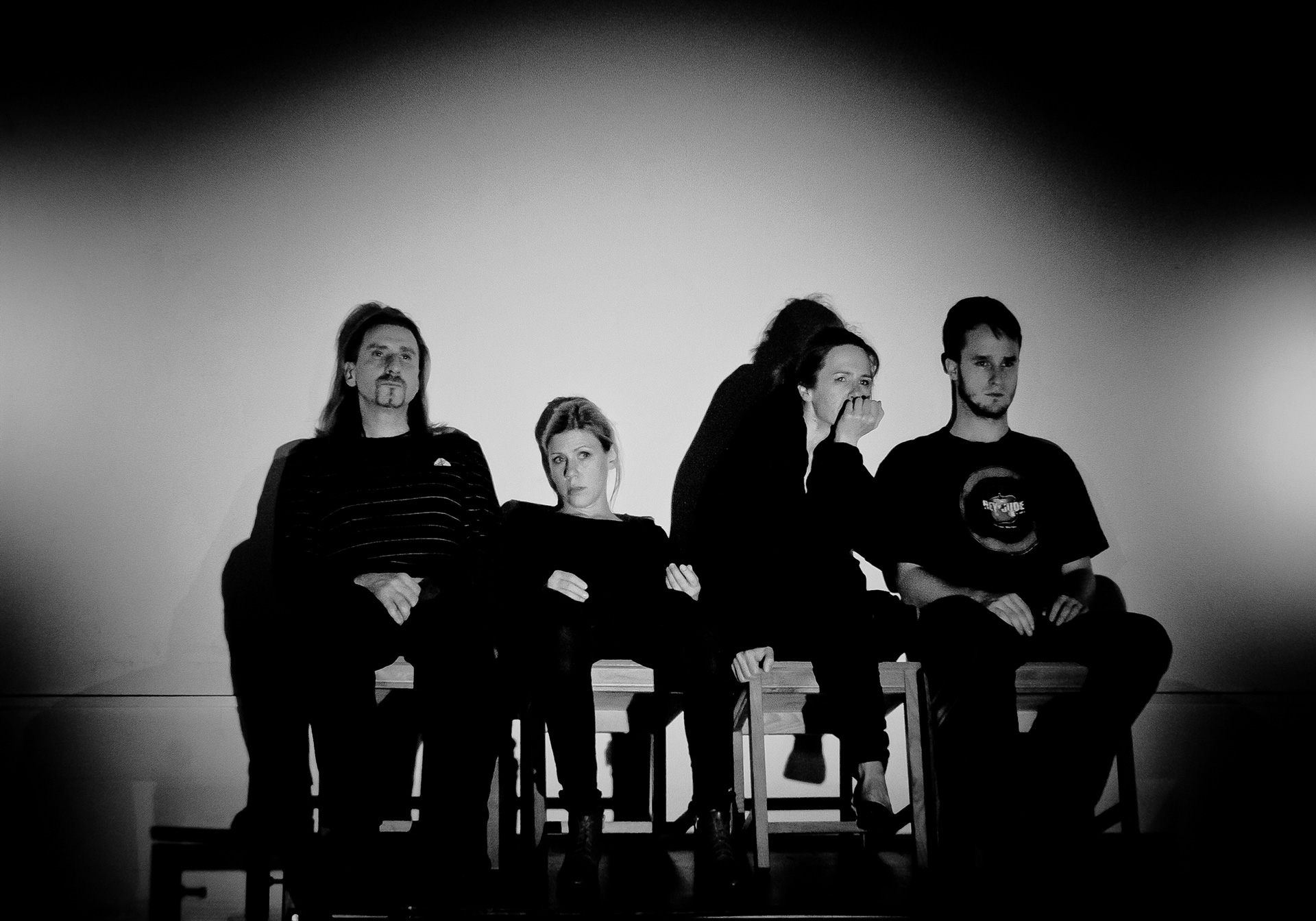
acting: Alina Bachara (Natalia Kruszyna), Daniel Dyniszuk, Cezary Kruszyna, Monika Wachowicz
original music composed by Leszek Kwaśniewicz
in the spectacle the original Wehrmacht songs and parade marches were used as well as the Infernal Gallop from ,,Orpheus in the Underworld’’ by Jacques Offenbach
sound design: Marlena Niestrój
text in prologue: Monika Wachowicz (interpretation by Leszek Kwaśniewicz)
first night performance: Katowice, Poland, 2014
duration of the performance: 60 minutes
PRESENTATIONS
The performance were presented dozen times at Stage/Atelier of Teatr A Part in Katowice, one time in Theaterhaus Tor 6 in Bielefeld in Germany (October 2015) and one time in Passage of Culture Andromeda in Tychy during Festival of Independent Theaters Andromedon (September 2018).
CRITICS
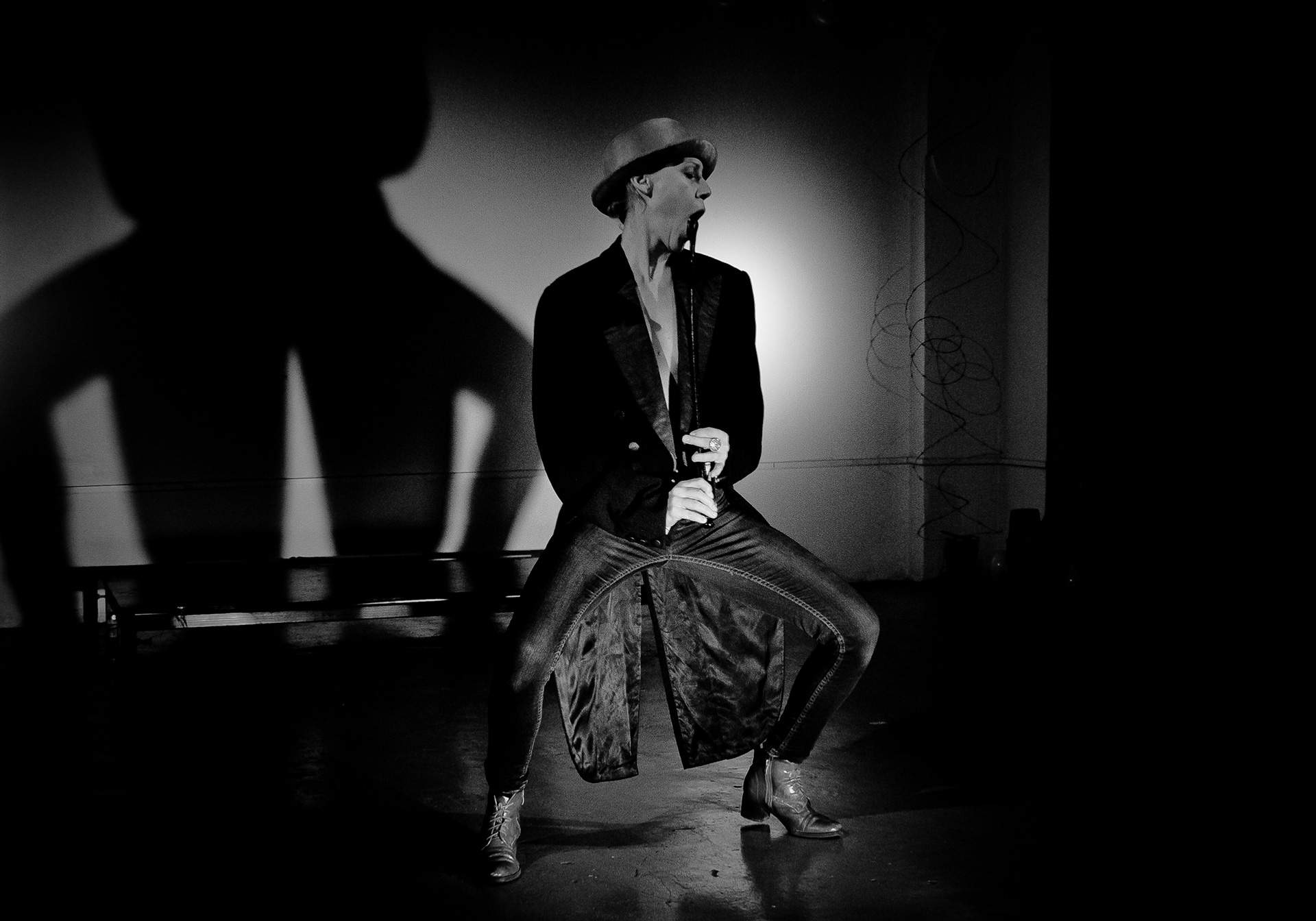
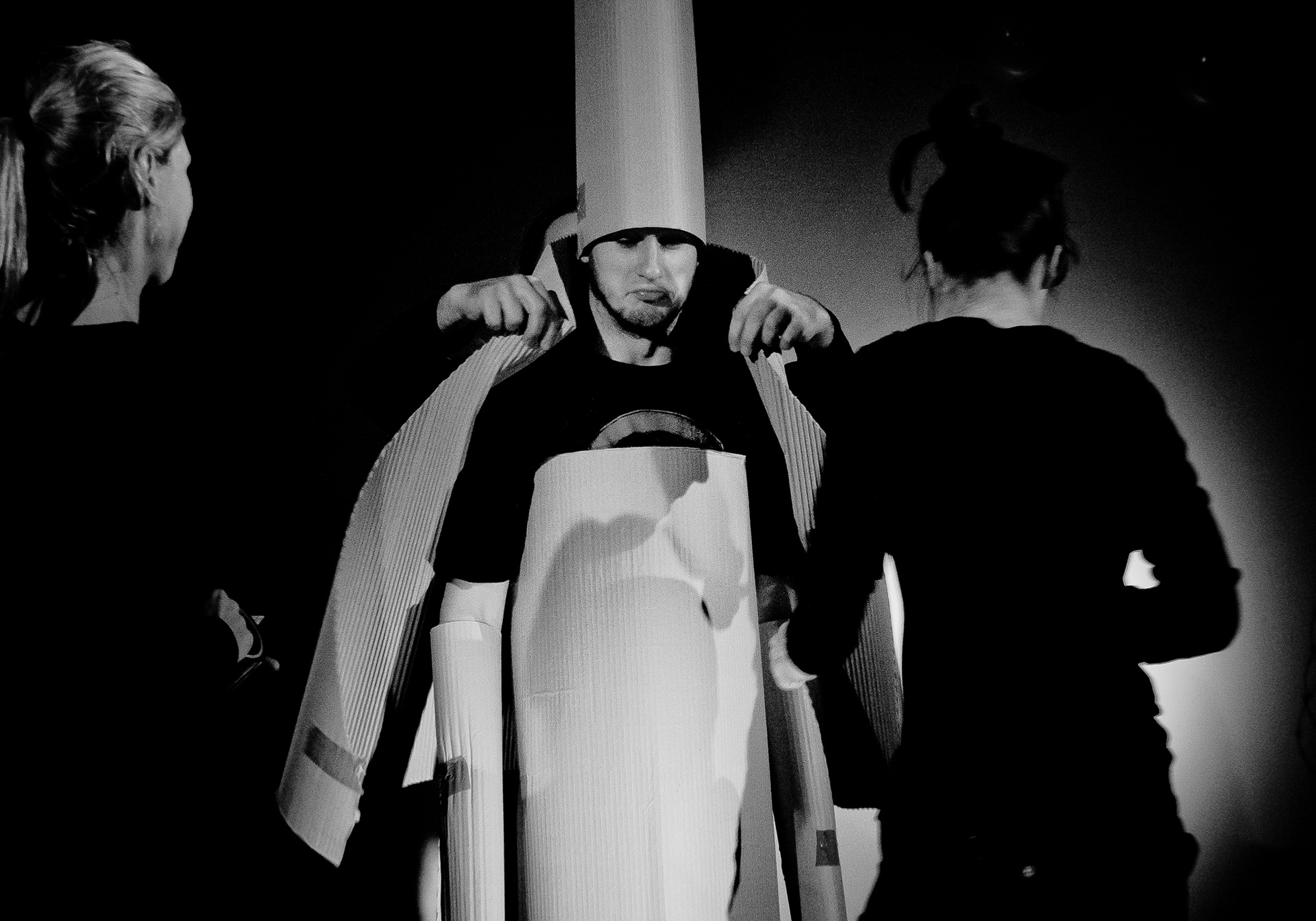
Bare stage and rhythm of Wehrmacht parade marches. Meanders of barbed wire hang from the ceiling. There is also a ramp – stage ramp and not only stage … spirit of Grotowski and Kantor? Yes. “Scenes from the Great War” move away from its explicit drama. Instead of corporate “melodrama” Herich throws us into a series of twelve comic, and at the same time, more than a tragic frames. The thirteenth frame is a perverse encore. With no trace of satisfaction. A Part looks at itself in the dead fellow-artists and finds itself there – fulfills the promise of the program. It’s quite a triumph. Like suicidal Dada. Dada a’la A Part.A bunch of unruly kids brazenly charges forward with cliches of decadence, off, holy war, and work-in-progress. Ad absurdum, up to self-destruction. Anarchist Negri, in a Margitte bowler hat (Wachowicz, as usual, in incredible shape and roles), rentlessly fires with glares. And backfires on herself. It is the most powerful scene in the play. The actors and audience are terrified. There’s no telling who is attacking.And yet they are no artists (with no degree nor repertoire); “One hardly finds Shakespeare here” – Leszek Kwaśniewicz announces Künstlerspiele with a perverse text from the loudspeaker. And yet. And yet a poor player, a tale told by an idiot, sound and fury, make an idiom of the highest quality. In the infectious Kwaśniewicz’s cackle the echo of a pentameter of Birnam Wood can be heard. Chapeau bas.References, those unimposing, intricately woven, as well as rough, may be found in Künstlerspiele in abundance. Moreover, there is no way to tame them. Anyway, that’s good, for it would be a pity. For instance the weirdos in the scene “Cripples’ Gallop”, if we are to believe the program, taken from an operetta by Offenbach. Because, to my eye, those were the faces of dead rabbits from poet Wilfred Owen’s wartime nightmares. And the final Dance of Death is not a dance, but a triumph. In principle and in contrast to Dance, Death from Triumph has never given time, nor hope, instead, depriving of self. As new Herich.We well-nigh fall for it. Natalia Kruszyna, although ably hides her face behind the mask of triumphant Grim Reaper, by no means hides her sex. We go back, then, to the… starting point. Perhaps this time copies will differ from original. Herich succeeded.
Monika Gorzelak, Dziennik Teatralny
“Künstlerspiele. Scenes from the Great War” is a jaw-dropping original production by Teatr A Part. It is a story about the two greatest wars of the twentieth century, intertwined with the history of European cabaret scenes of the time.
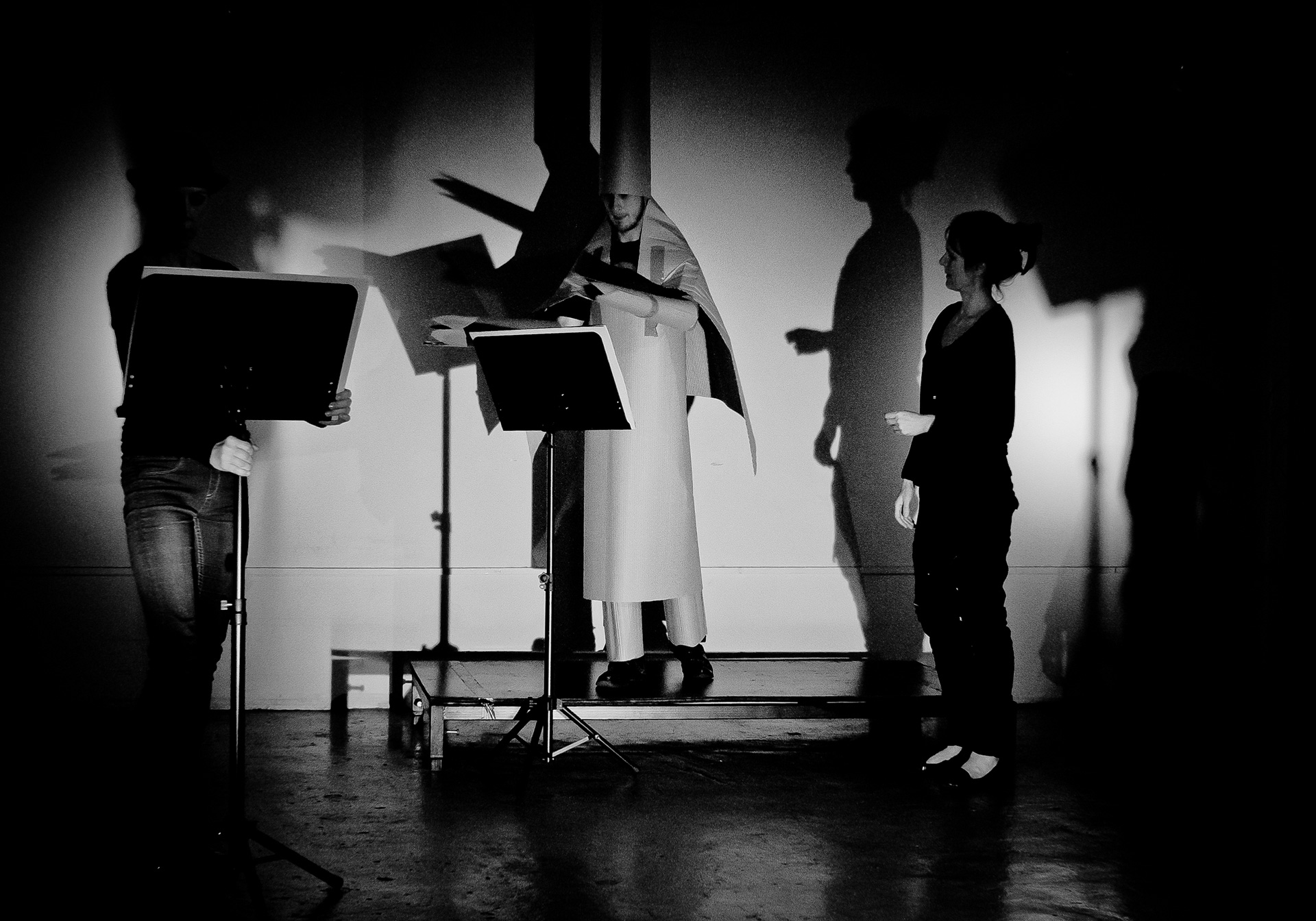
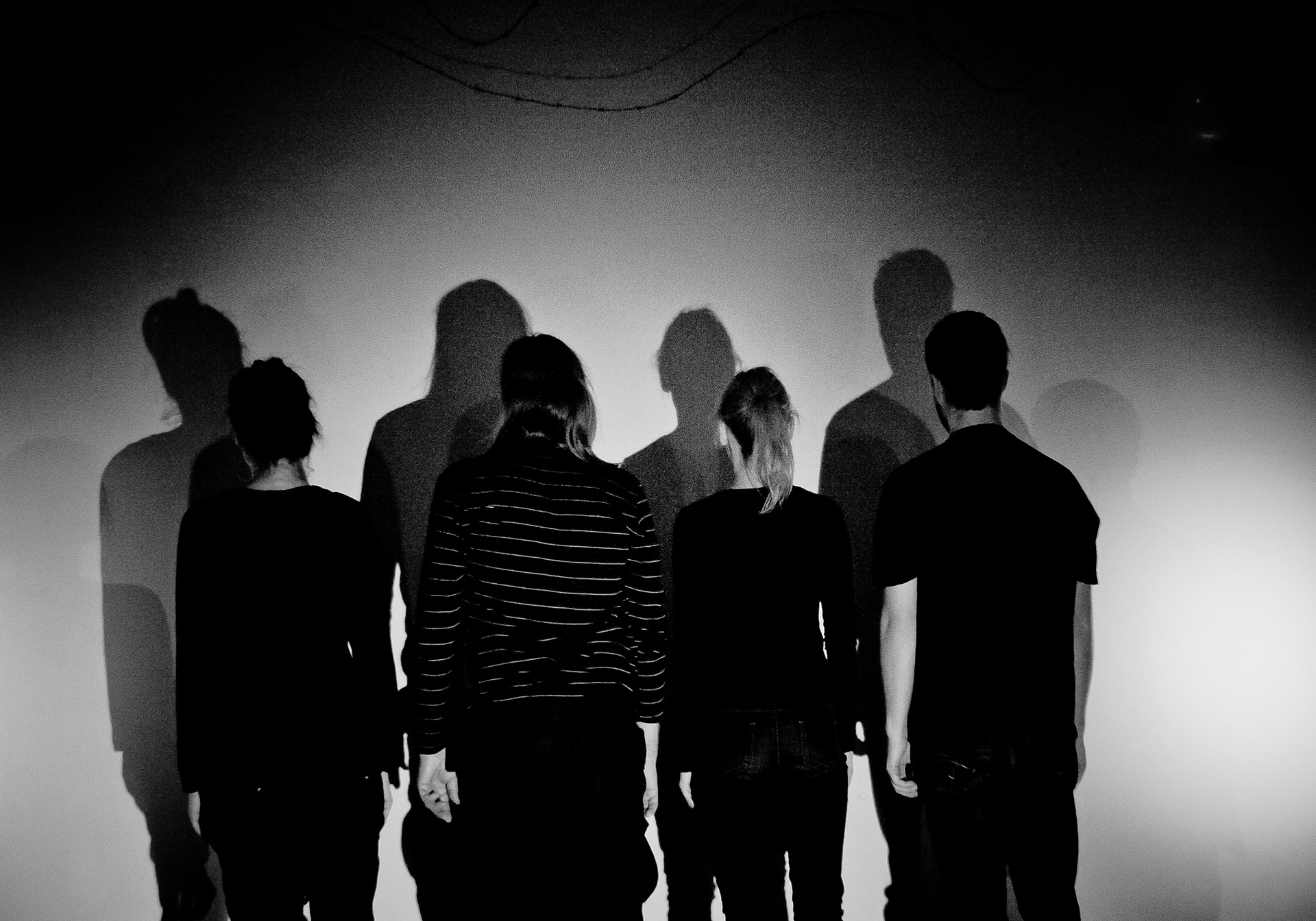
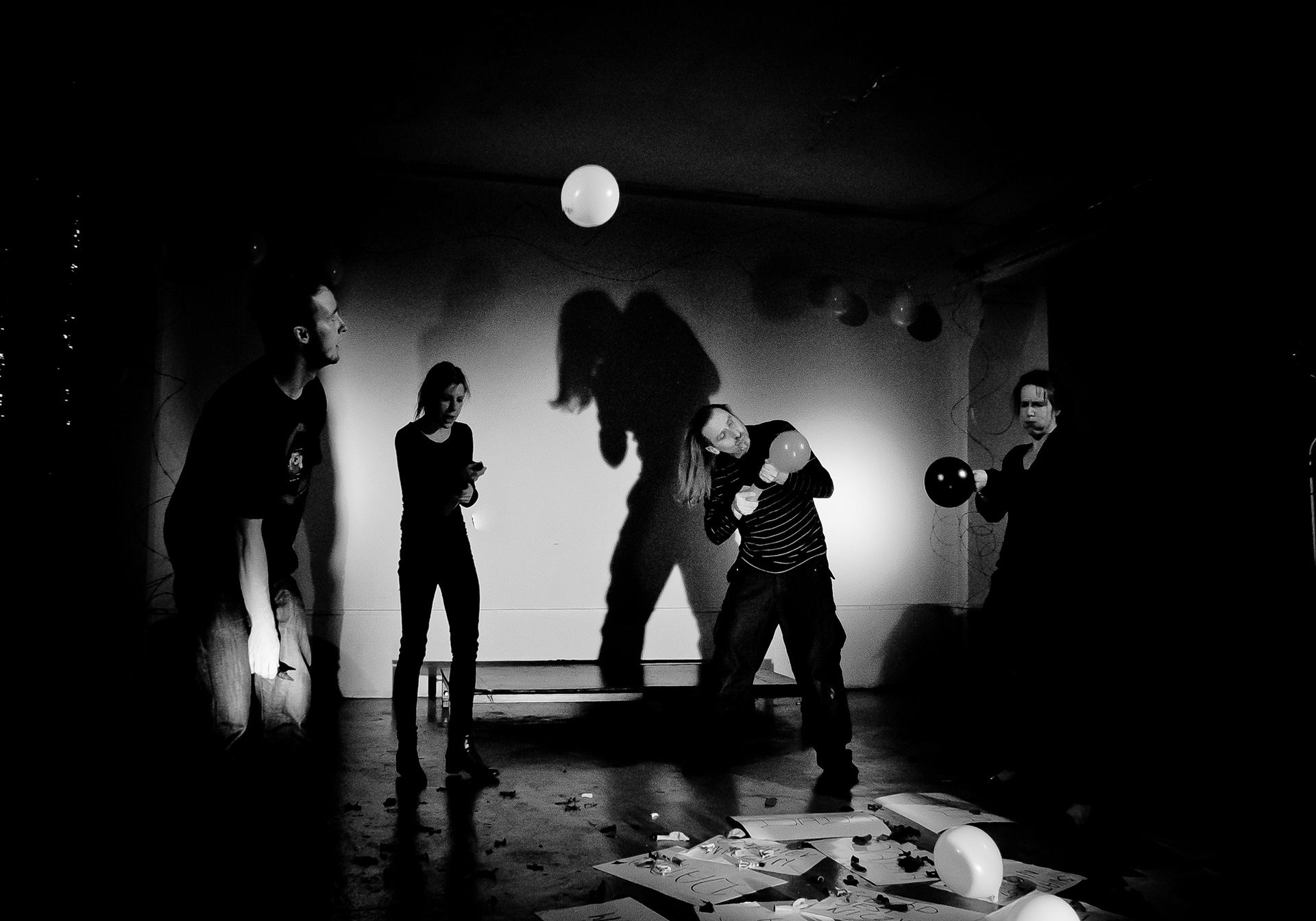
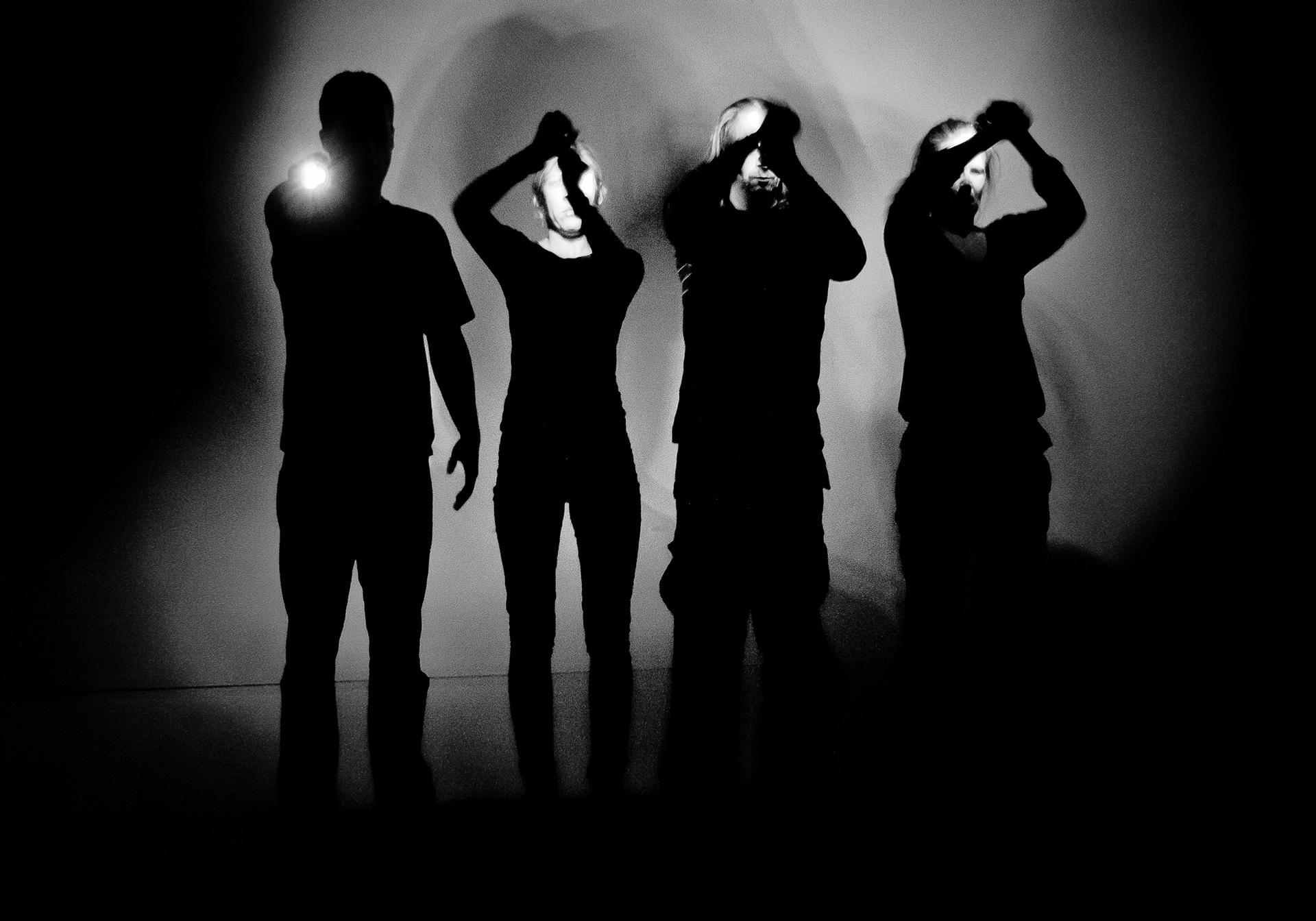
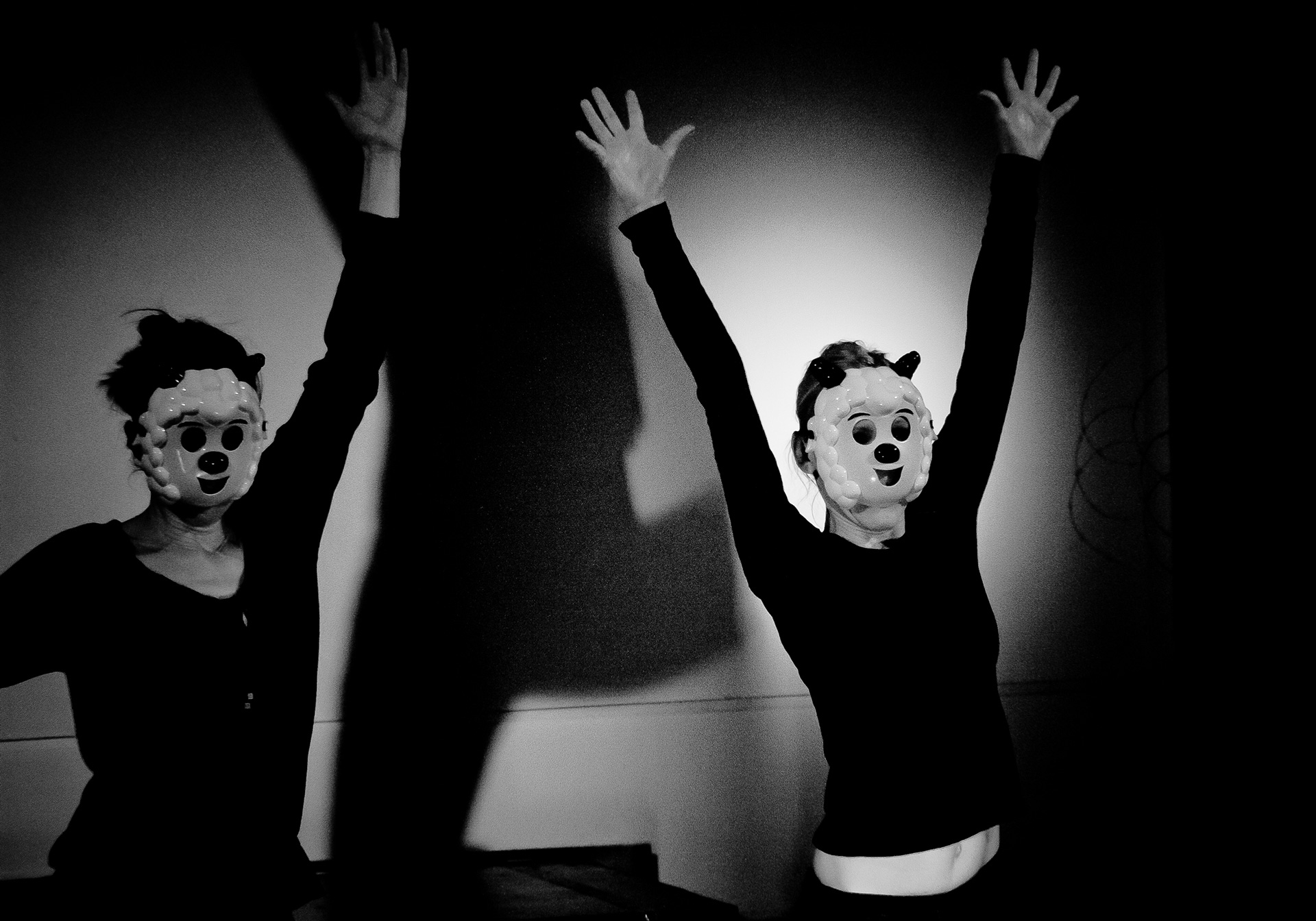
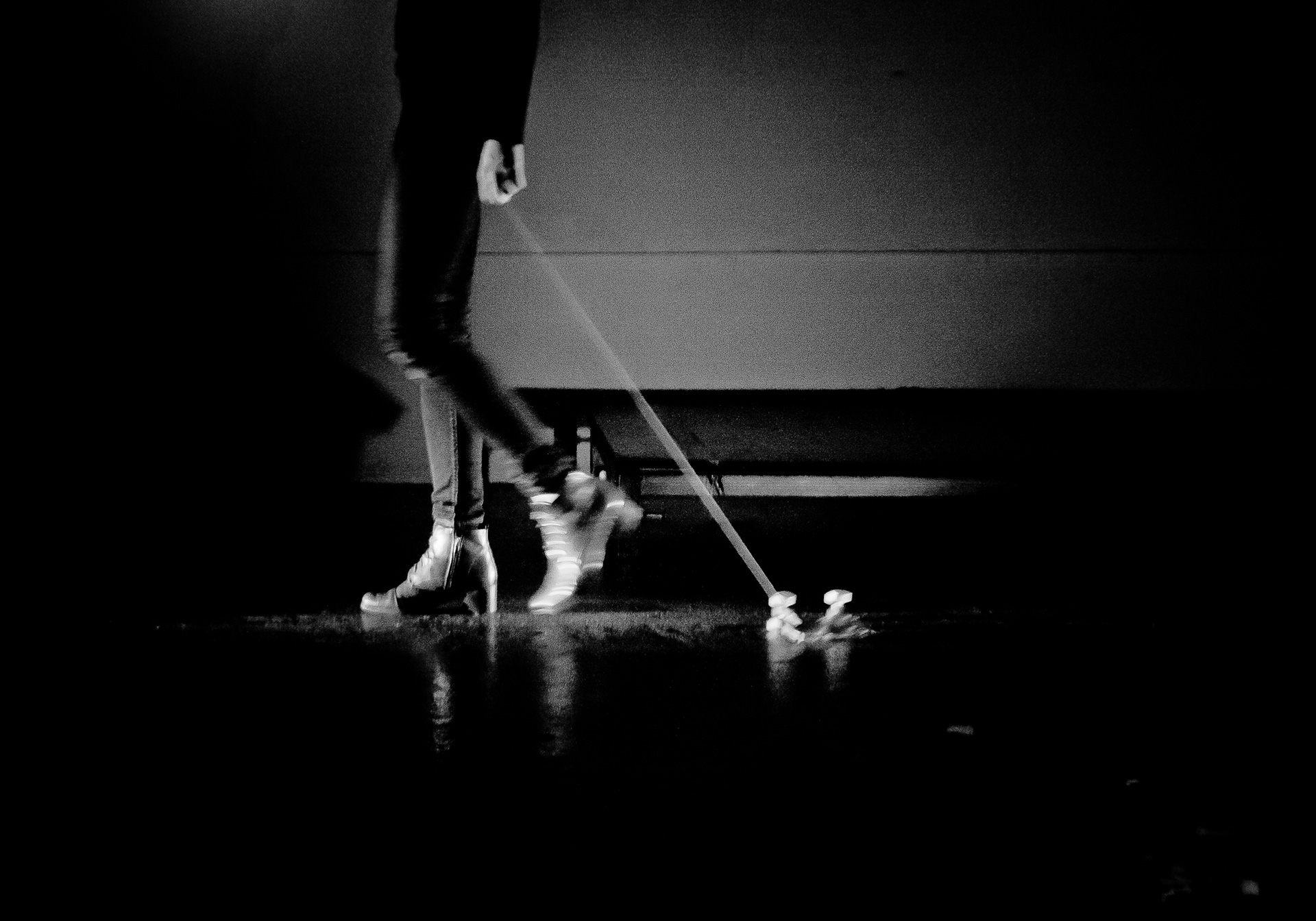
Team perfectly managed to show the convention of decadent variety shows of first half of the twentieth century. Exaggerated, over-expressive acting and lewdly seductive atmosphere of German and French cabaret blend here with the distinctive features developed by Teatr A Part. The effect is subtle and moving, where comedy borders on tragedy. All is enhanced by music. Original Wehrmacht marches – musically jolly, but perversely bringing back the trauma of war. Besides, “Infernal Galop” from “Orpheus in the Underworld” by Offenbach. Stage design is limited here to a minimum, but still very evocative. Empty space with a small platform, a few chairs hidden aside. The stage is surrounded with spiral barbed wires hanging from the ceiling. The scenery is not supposed to distract the viewer. Only actors matter. Unusual, risky means of expression used in the show seem to be just spot on. It is prooved by reaction of the audience – sometimes amused, sometimes baffled, but certainly satisfied.We are bombed by inseparable narrative sequence of twelve “scenes from the Great War” (the thirteenth one is a possible scene as an encore). We have here the spirits of dead and gone artists and amused officers. We move to the boudoir, smoky Parisian cabaret and coarse German cabarets. On the other hand, we are to watch a story about the war, focused on the “big” one, the first world war, about fear and senseless death. In a horryfying sequence “Artists’ execution” do not know, though we guess who’s the shooter, nonetheless the fear is just as intense every time. The final scene is an apotheosis of triumphant Death. It resembles slightly a dance of death from Bergman’s “The Seventh Seal”. Yet the ending of Künstlerspiele cabaret is more complex. Grim Reaper is a woman, and in the procession she is accompanied by figures in masks of lambs. Should they be famed for slaughter?
Anna Zakrzewska, Na stronie
Photos: Jacek Lidwin
open gallery view video