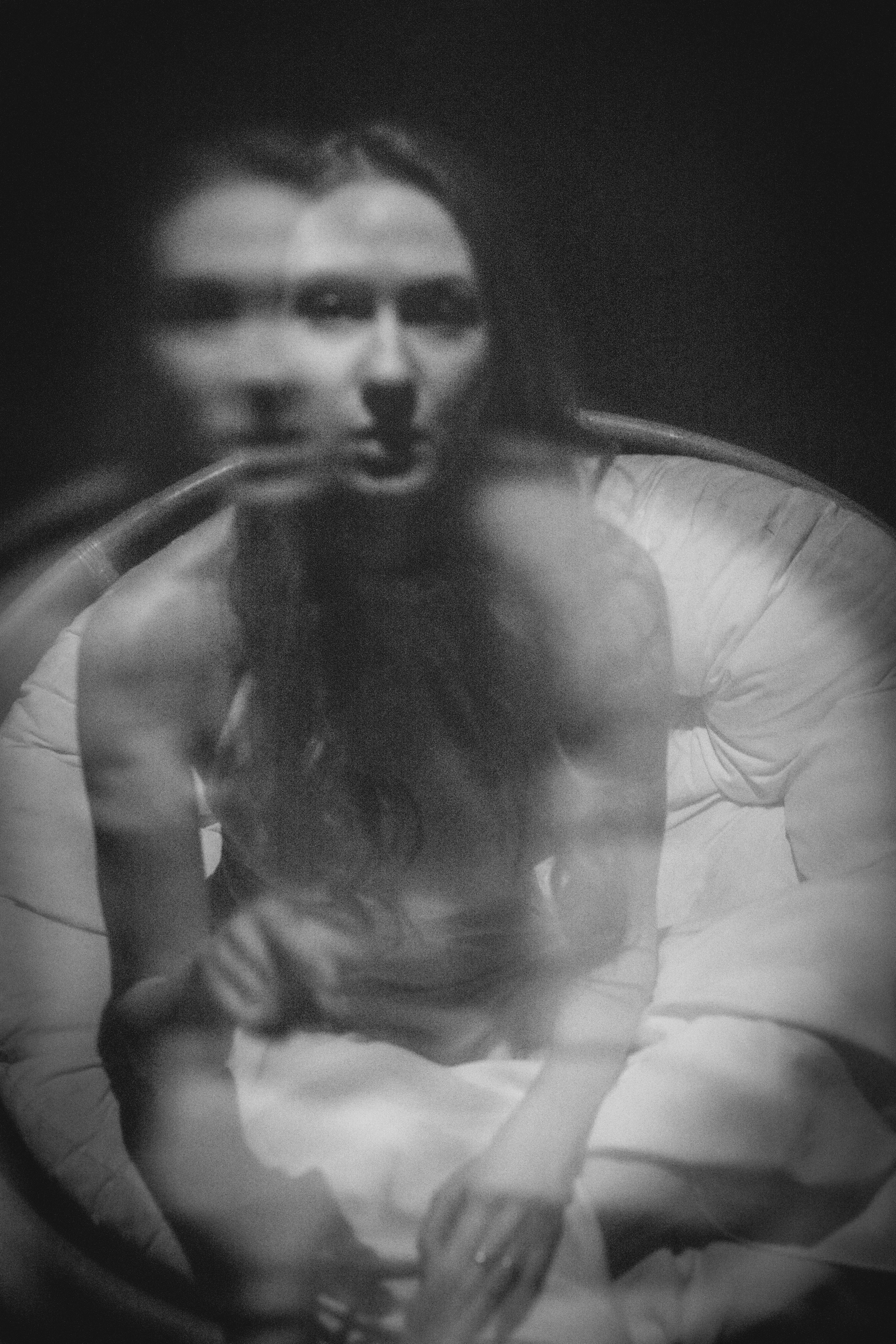
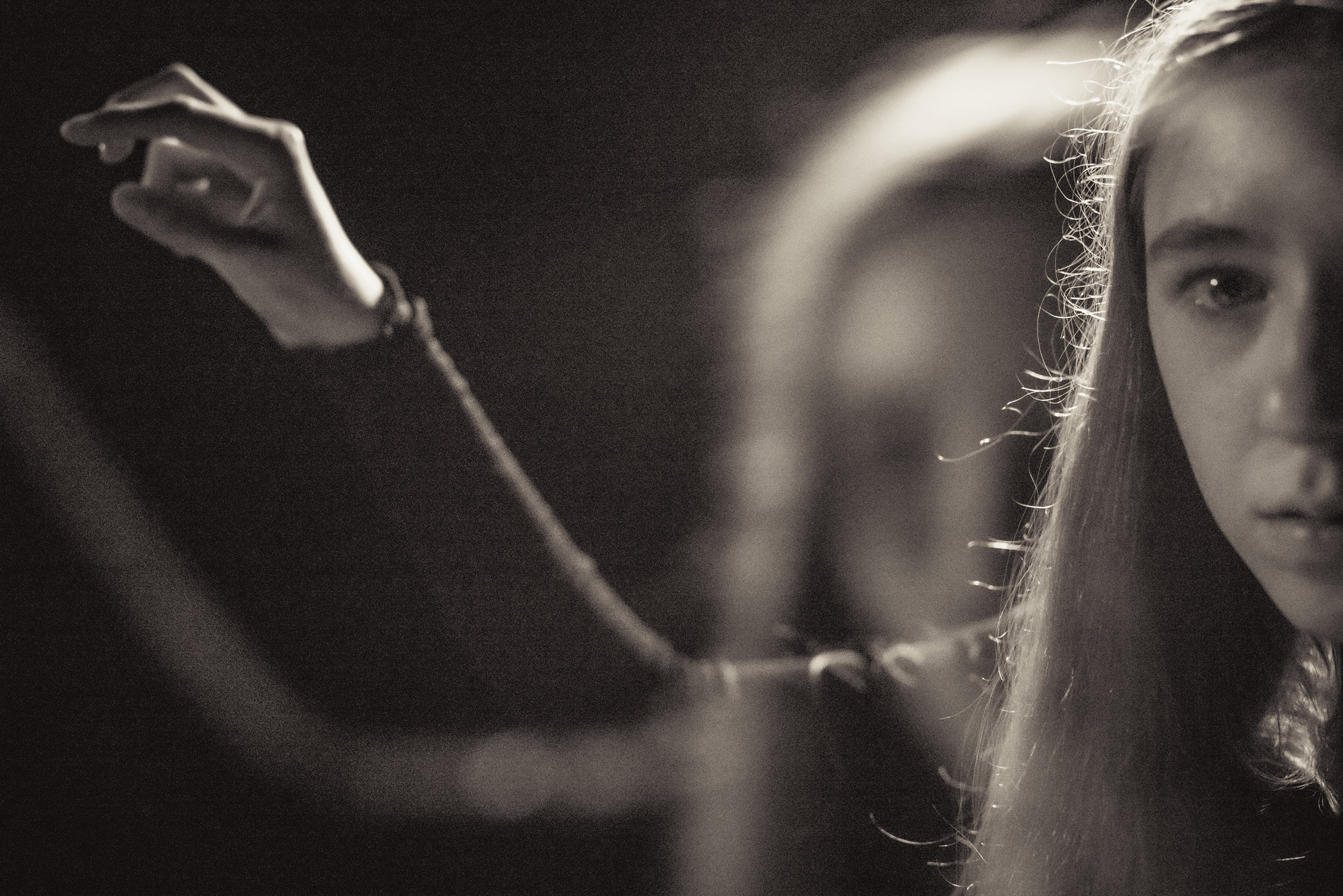
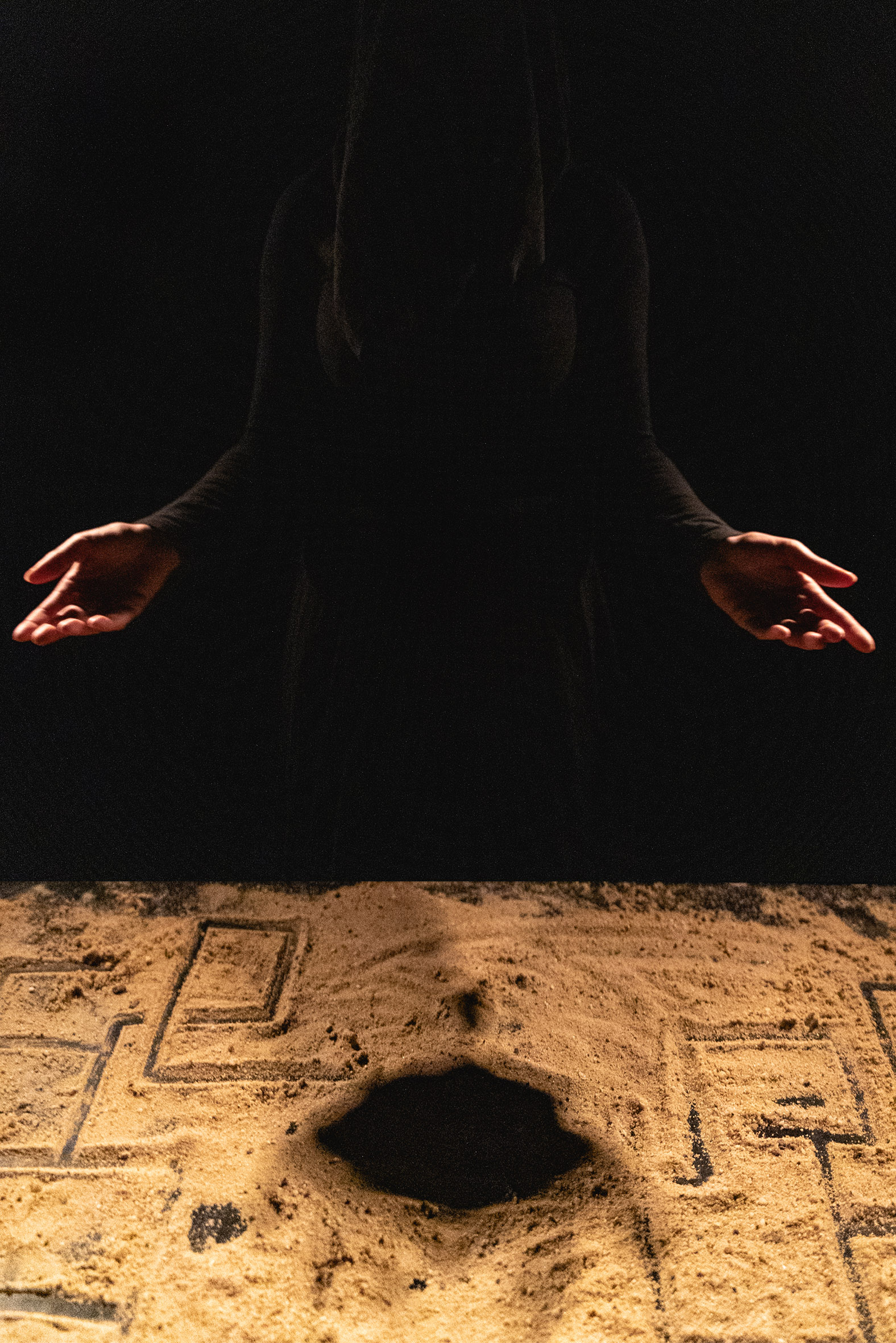
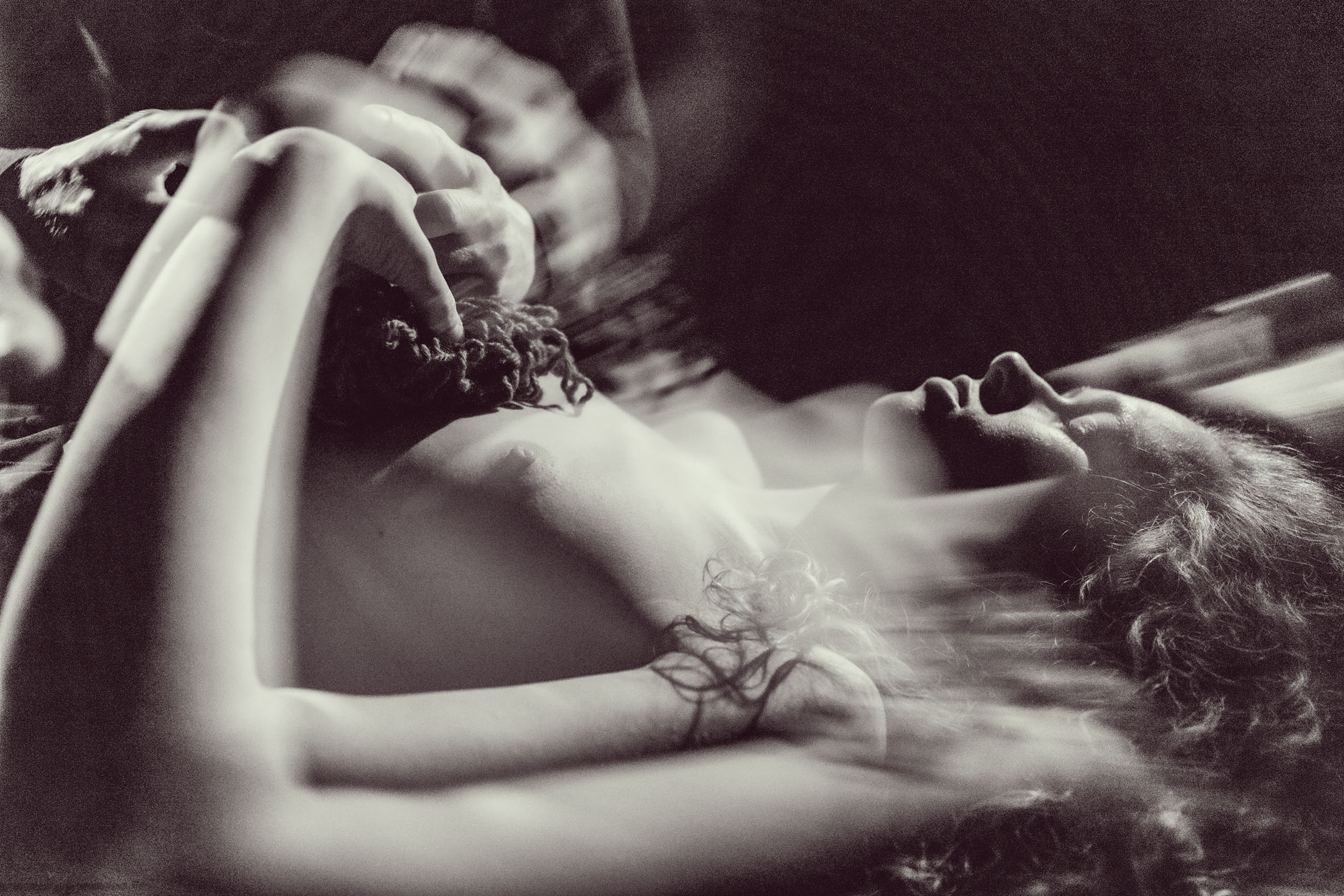
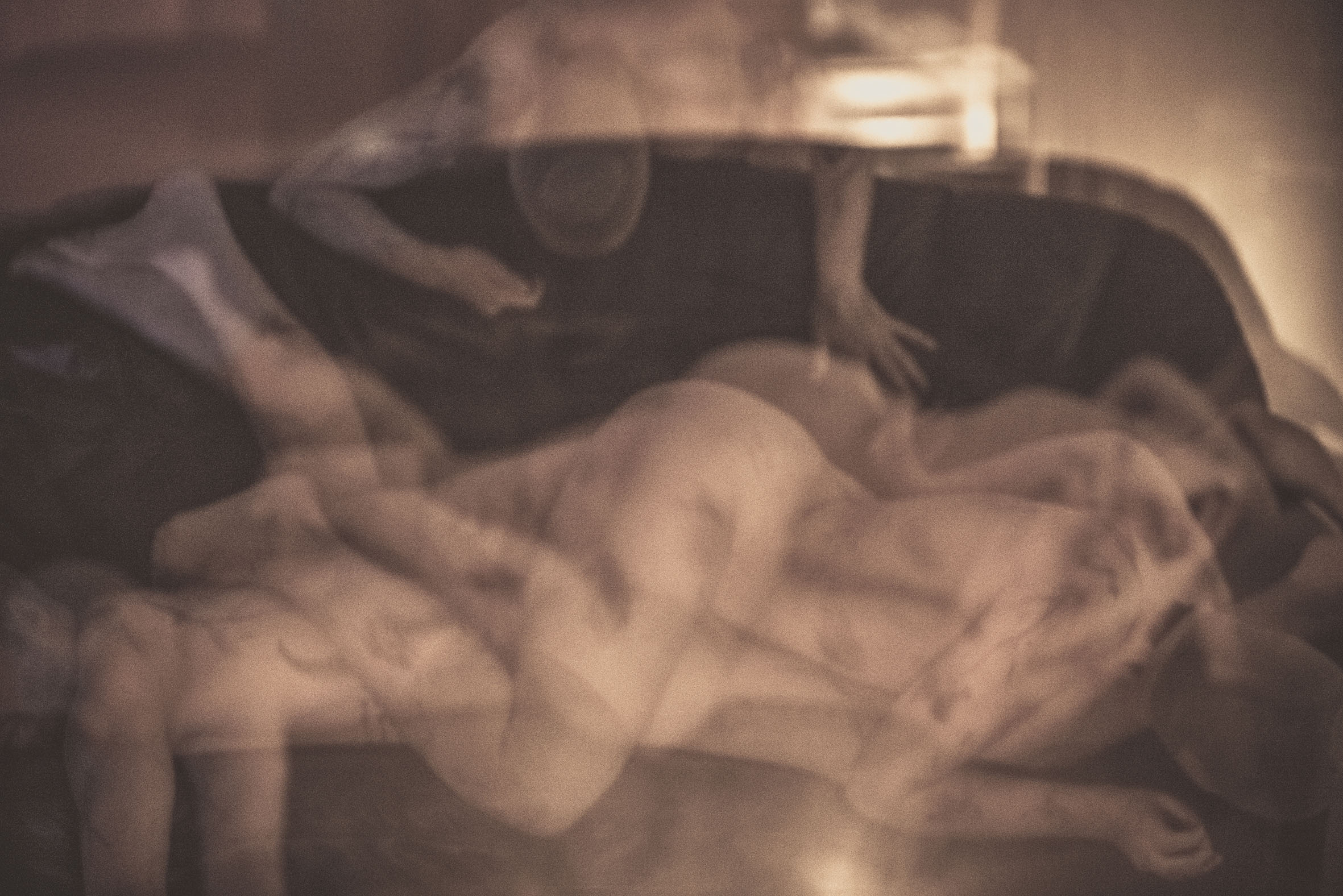
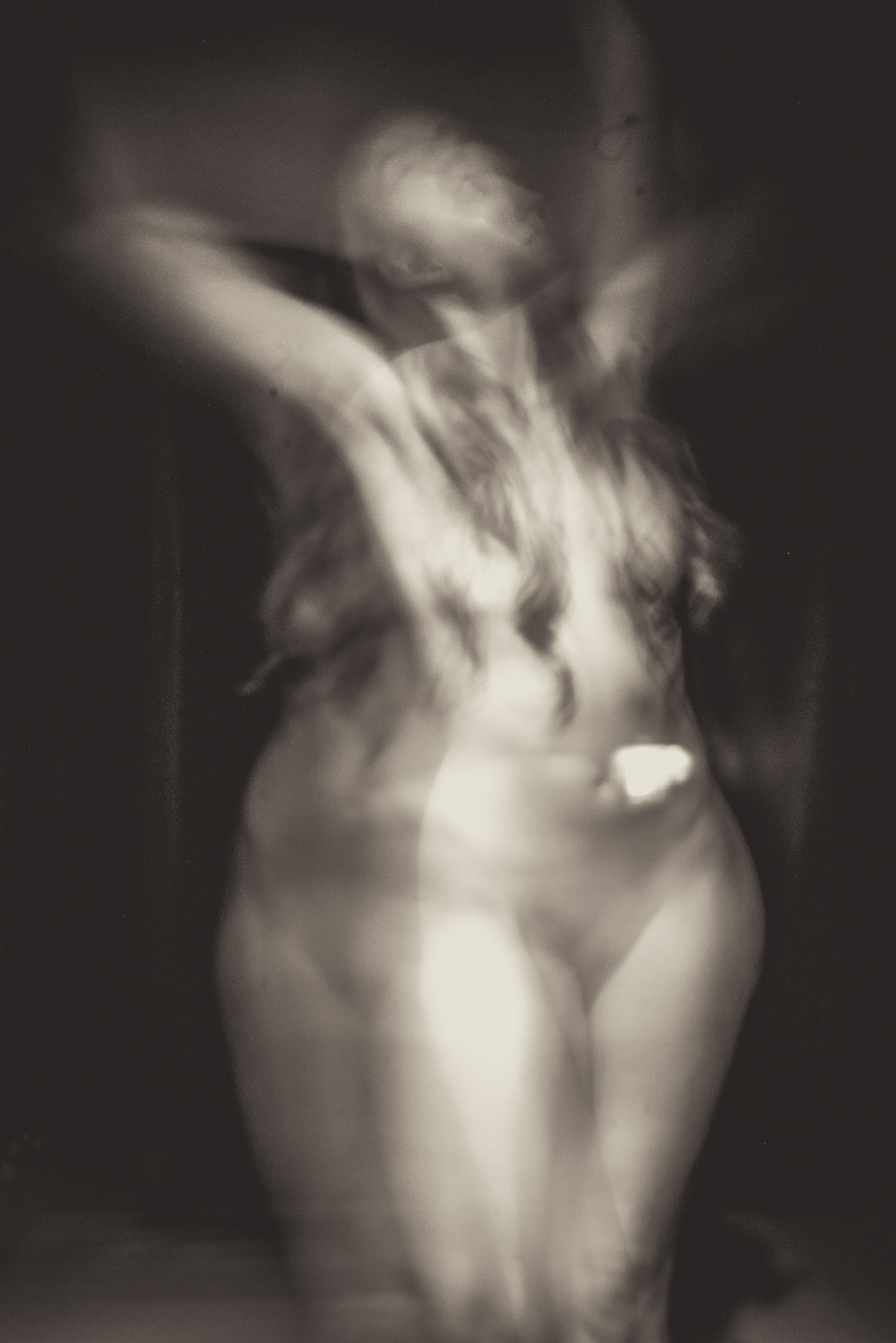
Ariadne is asleep. Already the sinister Minotaur defeated, the Athenians trapped in the labyrinth freed, and the bright future of the heroic prince Theseus and the clever daughter of Minos who fell in love with him sealed. Travelling from Crete to the Hellenistic capital, they stopped only briefly, on the island of Naxos, for a night and a rest. And it seemed that nothing could thwart the fairytale couple’s happy plans. However, as the princess falls asleep, the ungrateful and delicious heros sails off towards further adventures, leaving the unsuspecting and lonely girl to her fate. Soon, enraptured by the allure of the sleeping one, the god of pleasure Dionysus offers consolation to the distraught maiden, and she gratefully accepts it. So much we learn about the Cretan royal’s dream, the unfinished journey to Athens and its circumstances, from the myth.
Another, lesser-known version of the story says that King Minos did not let Theseus escape and captured the young man. In revenge for breaking his daughter’s heart, he imprisoned him in an empty labyrinth, in which – this time without Ariadne’s help – he wandered until his death.
What if the mythical story was different? Maybe Theseus did not leave Ariadne and drift away, because he never really left the labyrinth, killed by the monster. And the despairing and blaming herself for the death of her beloved royal escaped into a restless sleep, only to later plunge into orgiastic self-destruction, symbolised by the god of wine (guilt?) Dionysus. For, by right of caduceus and fairy tale, this story could also have looked like this. And it could have looked very different.
Ariadne is asleep. What is the girl dreaming? What lurks in the labyrinth of her mind? Does the dream tell her what will happen to her when she wakes up? Is the dream happy or sad? Do she dream of allurements or mascara? Or perhaps alternative versions of the myth, afterimages of reality that loop with the familiar version of this and other parables? The dream twists and disentangles worlds, shifts meanings, swaps senses, deceives logic, shuffles truths. It mixes dreams, facts, premonitions and nightmares.
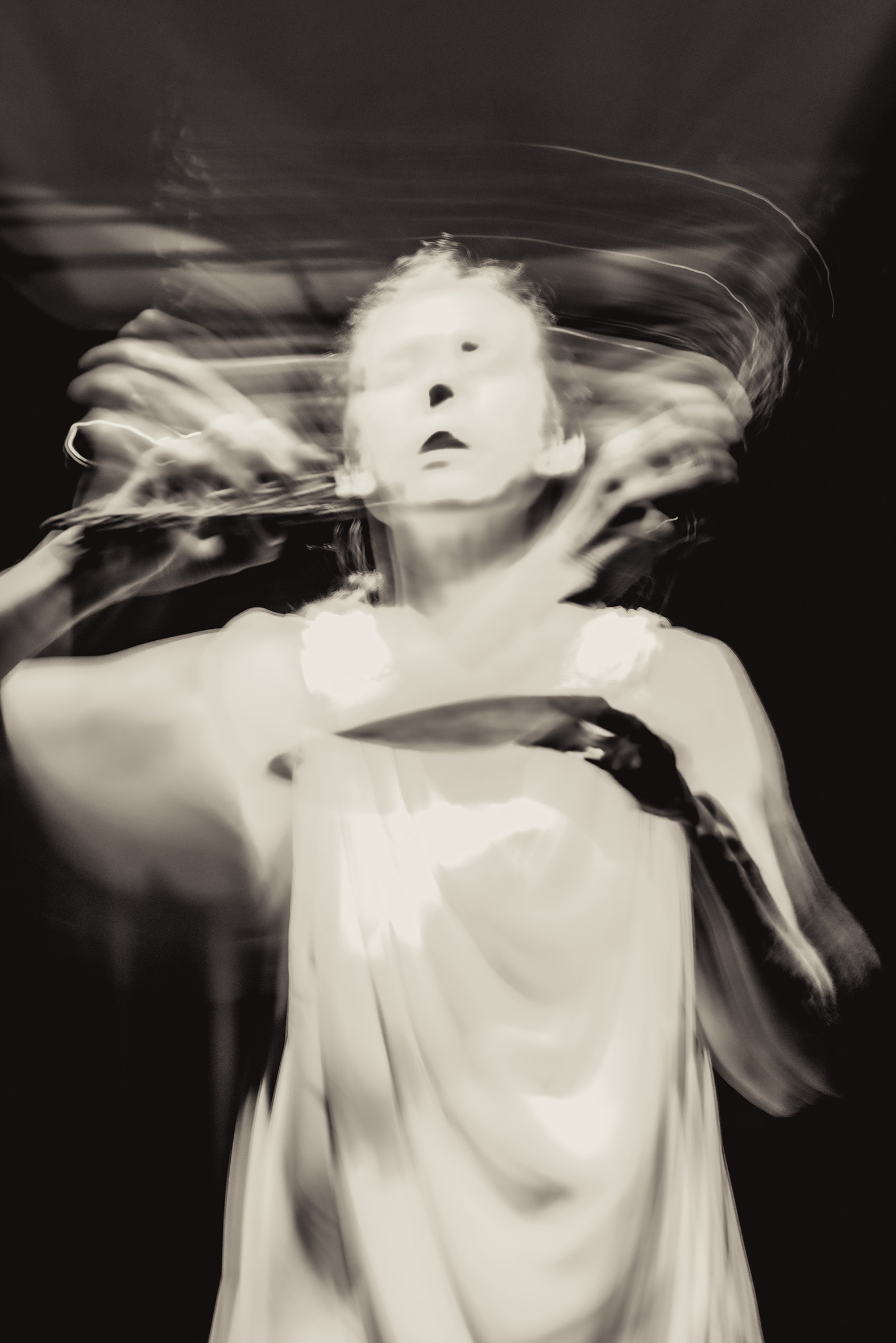
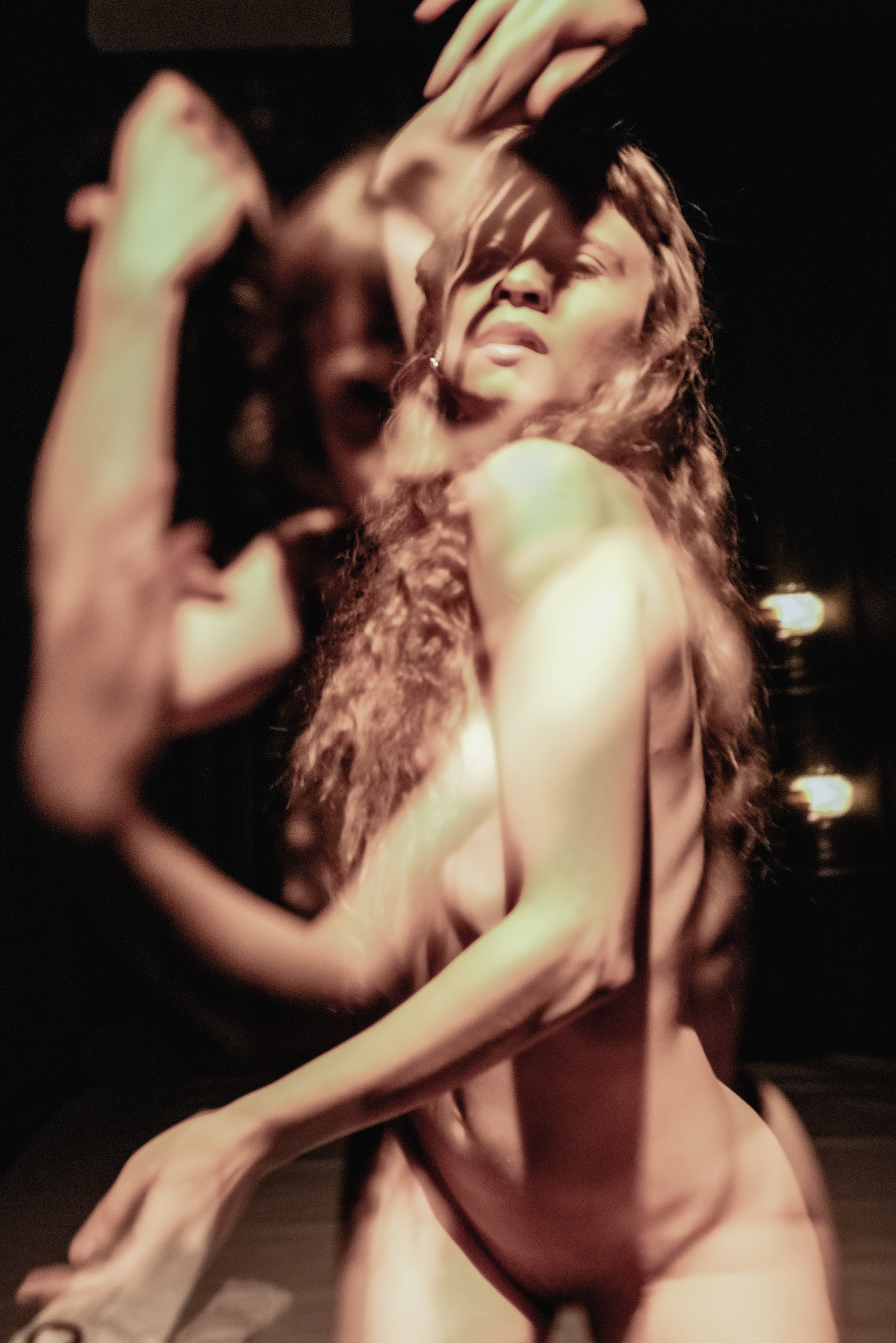
On the island of Naxos, left alone, on the threshold of grief and debauchery, betrayed (by herself, by her beloved, by others?) beautiful, wise, sensitive and as helpless as ever, Ariadne sleeps and dreams awake. And in her dreams she dances.
Marcin Herich
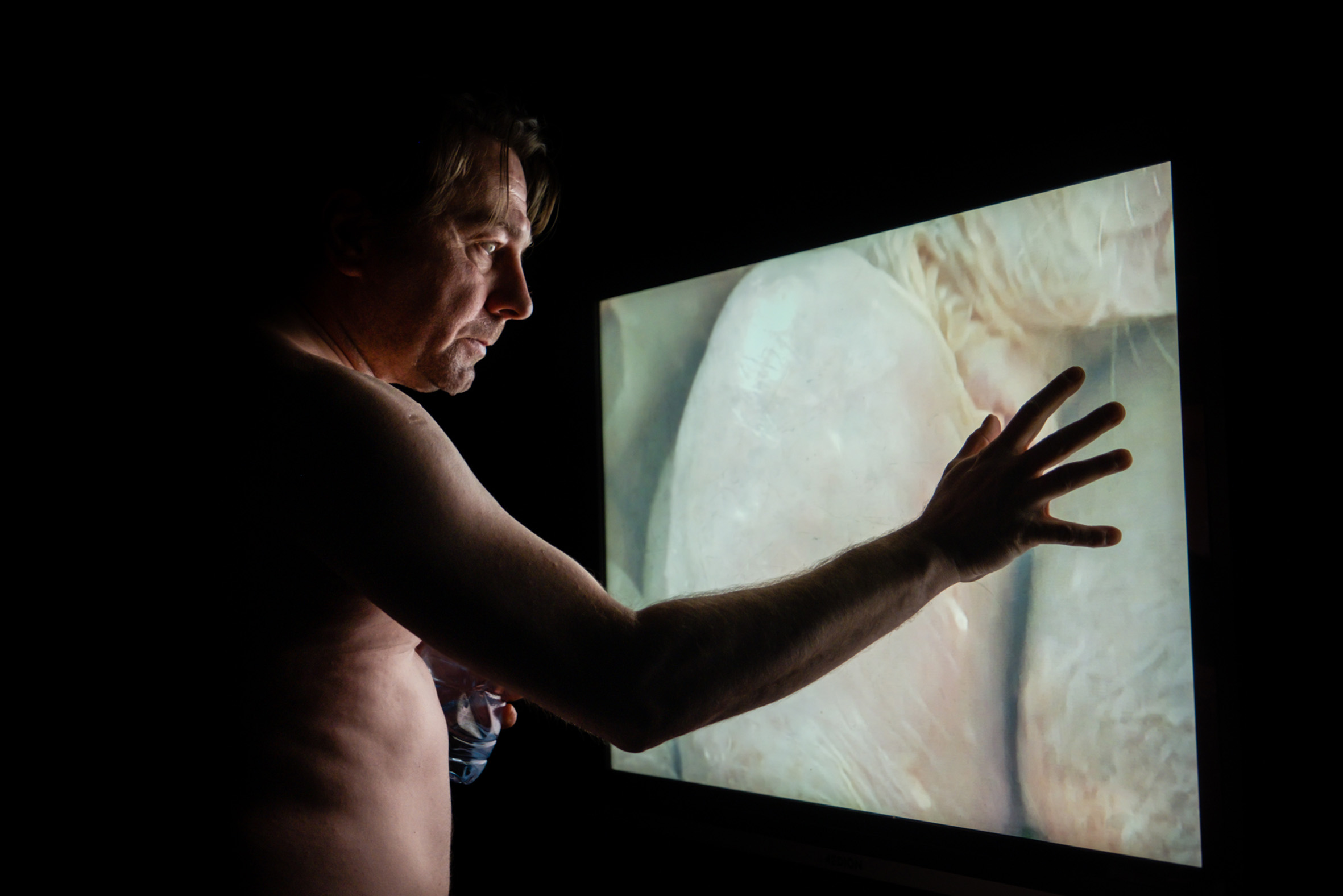
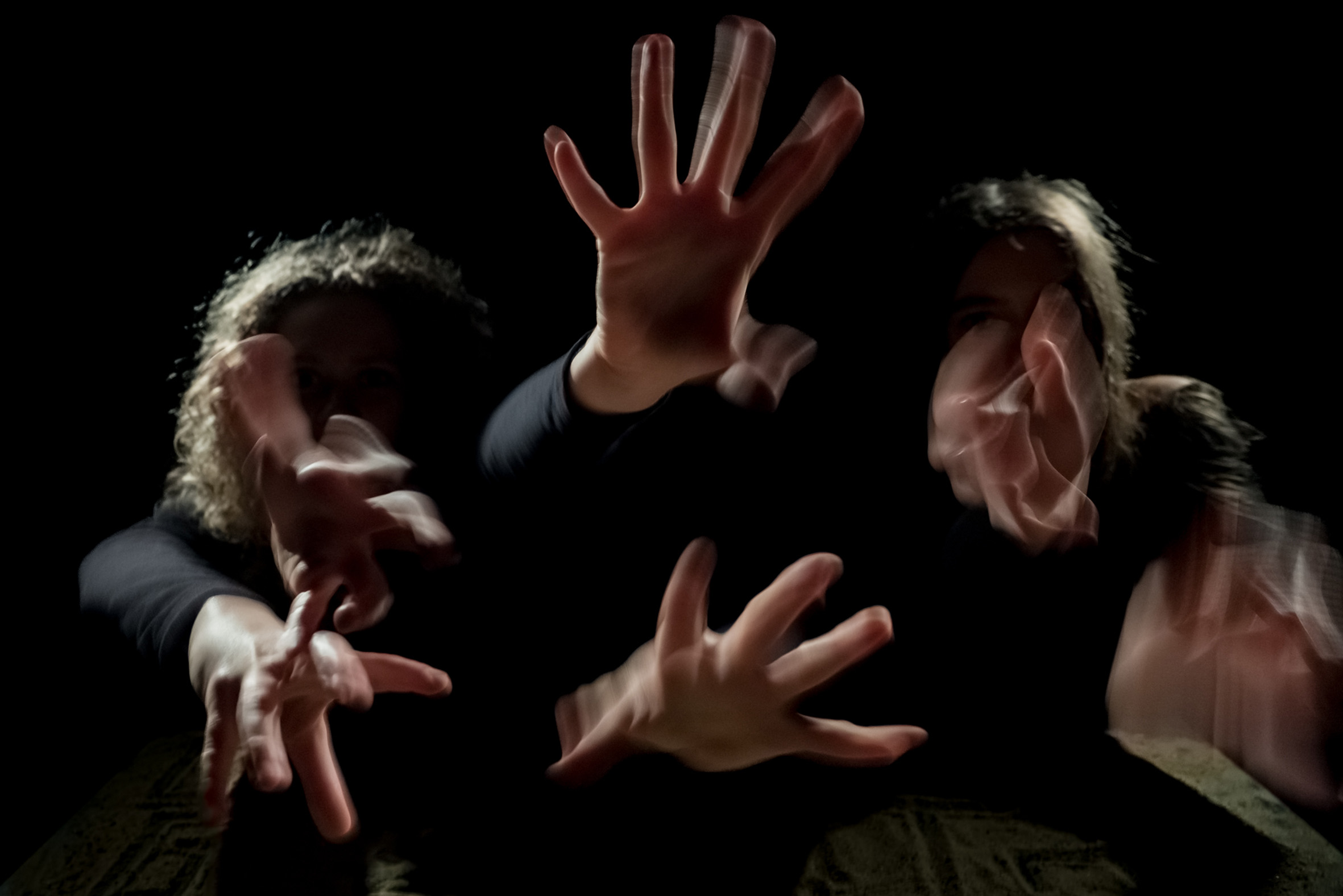
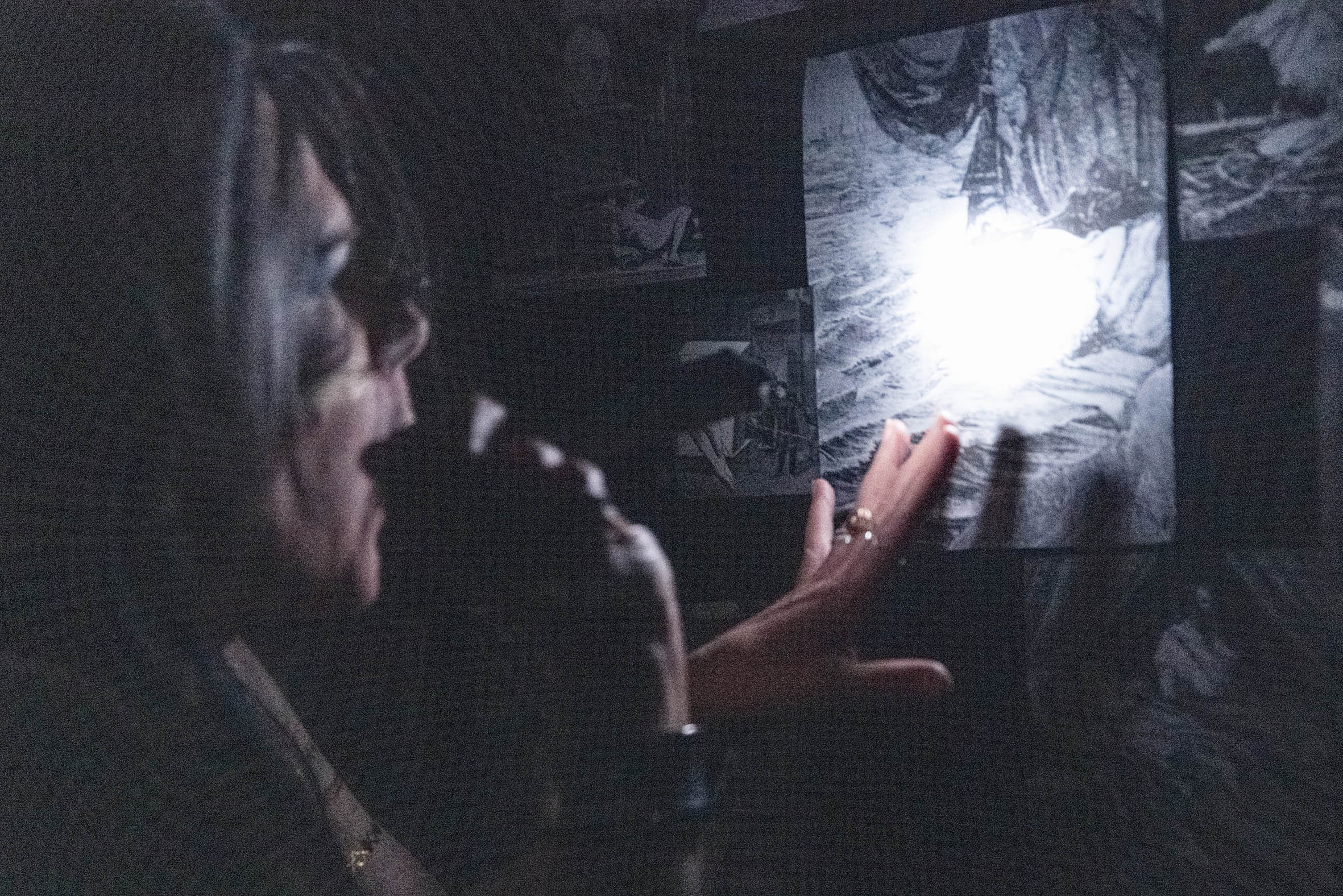
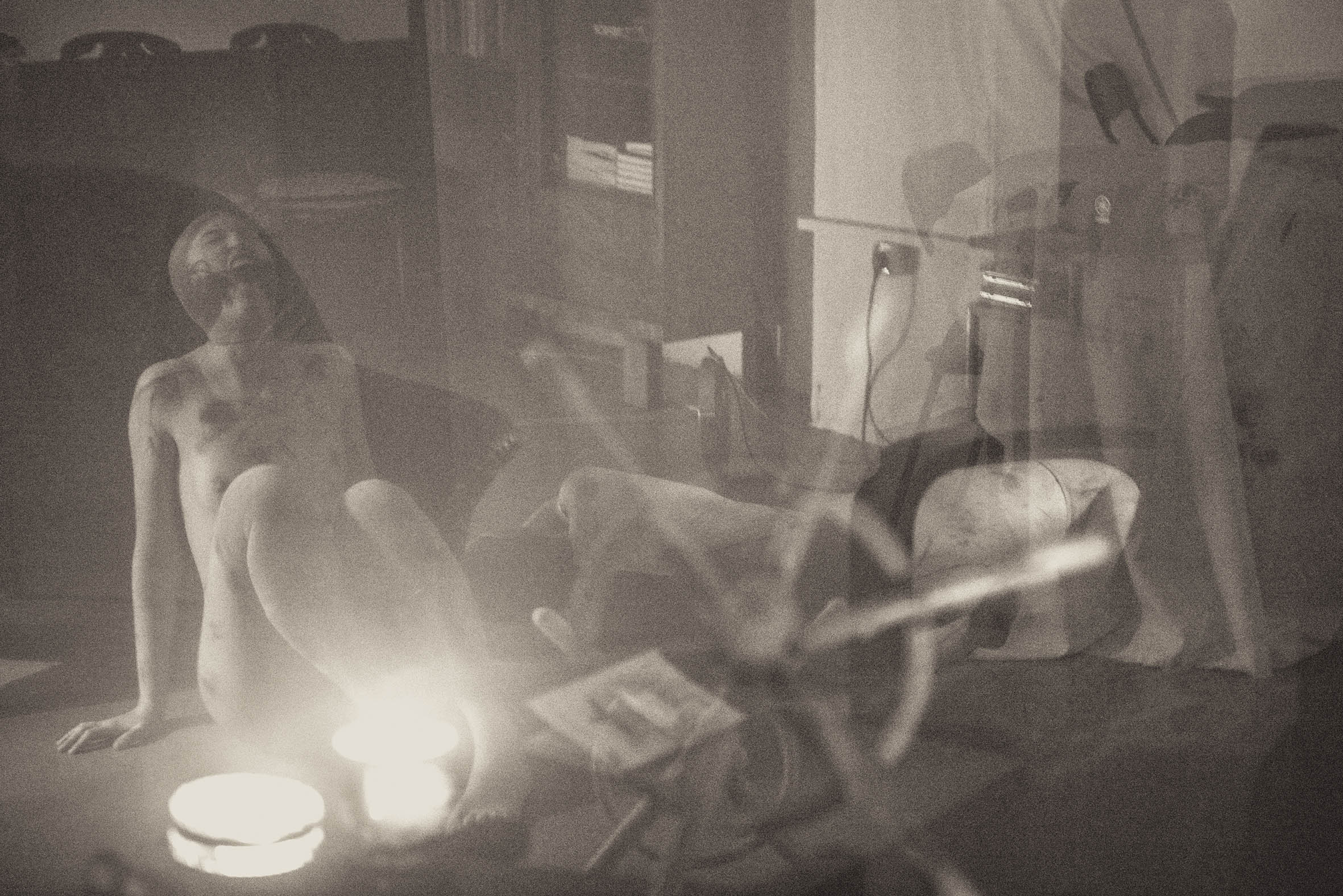
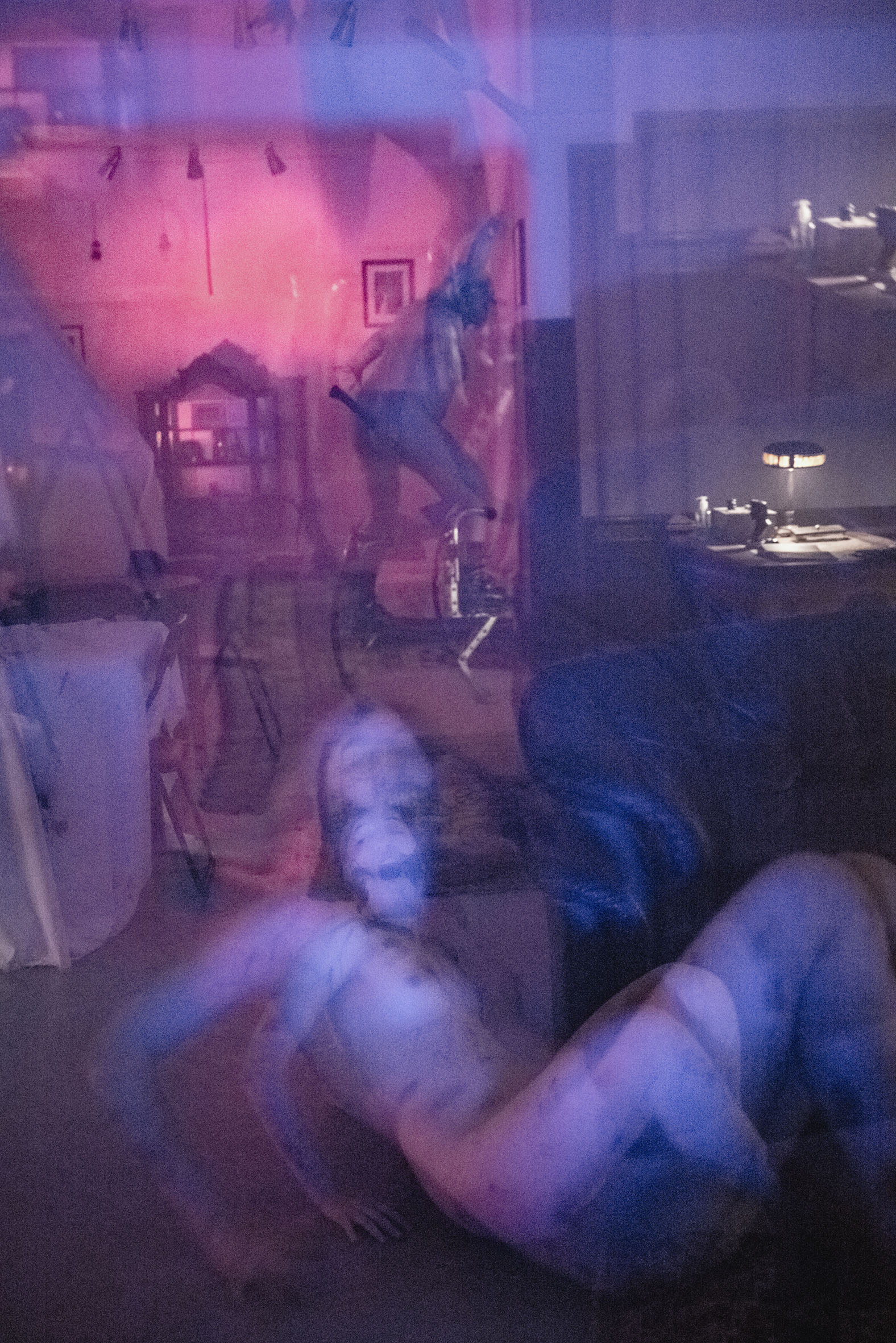
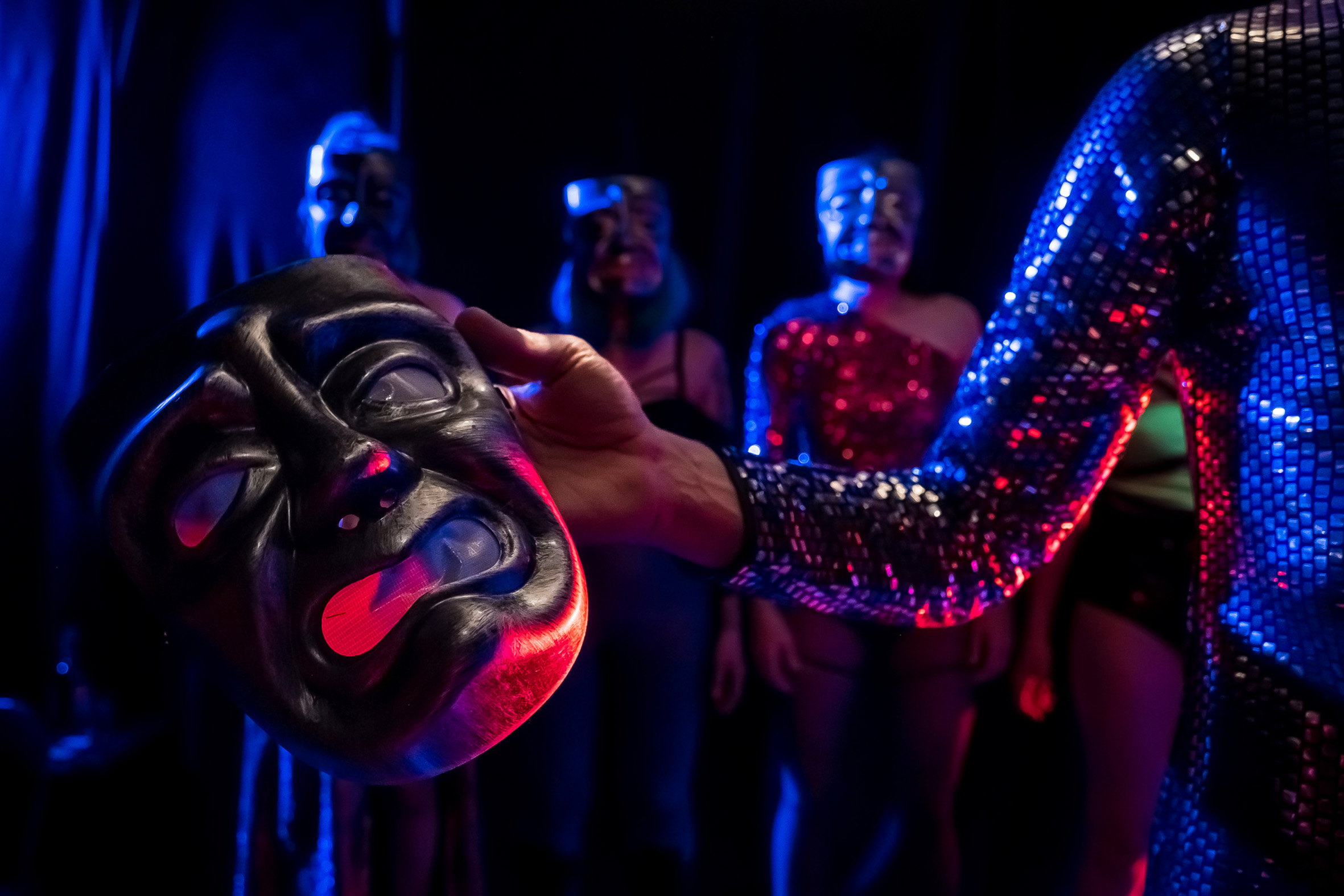
The performance ARIADNE’S DREAM is a solitary journey of the spectator through the dream of the abandoned princess. The performance is a performative installation, prepared by Teatr A Part with the participation of the adepts of the third edition of the Acting Studio of Teatr A Part (Tender Barbarians). “Ariadne’s Dream” is the third instalment of Marcin Herich and Teatr A Part’s series of site-specific performances for 1 audience, following the previous ones: “Alice in Wonderland” (2017) and “Dante Project” (2019).
Conceived, written, directed, set design: Marcin Herich
Command of the Tender Barbarians, directorial assistance: Monika Wachowicz
Collaboration on space arrangement and set design: Cezary Kruszyna
Cooperation on the script and costumes: the team
CAST
Hesiod: Marcin Herich
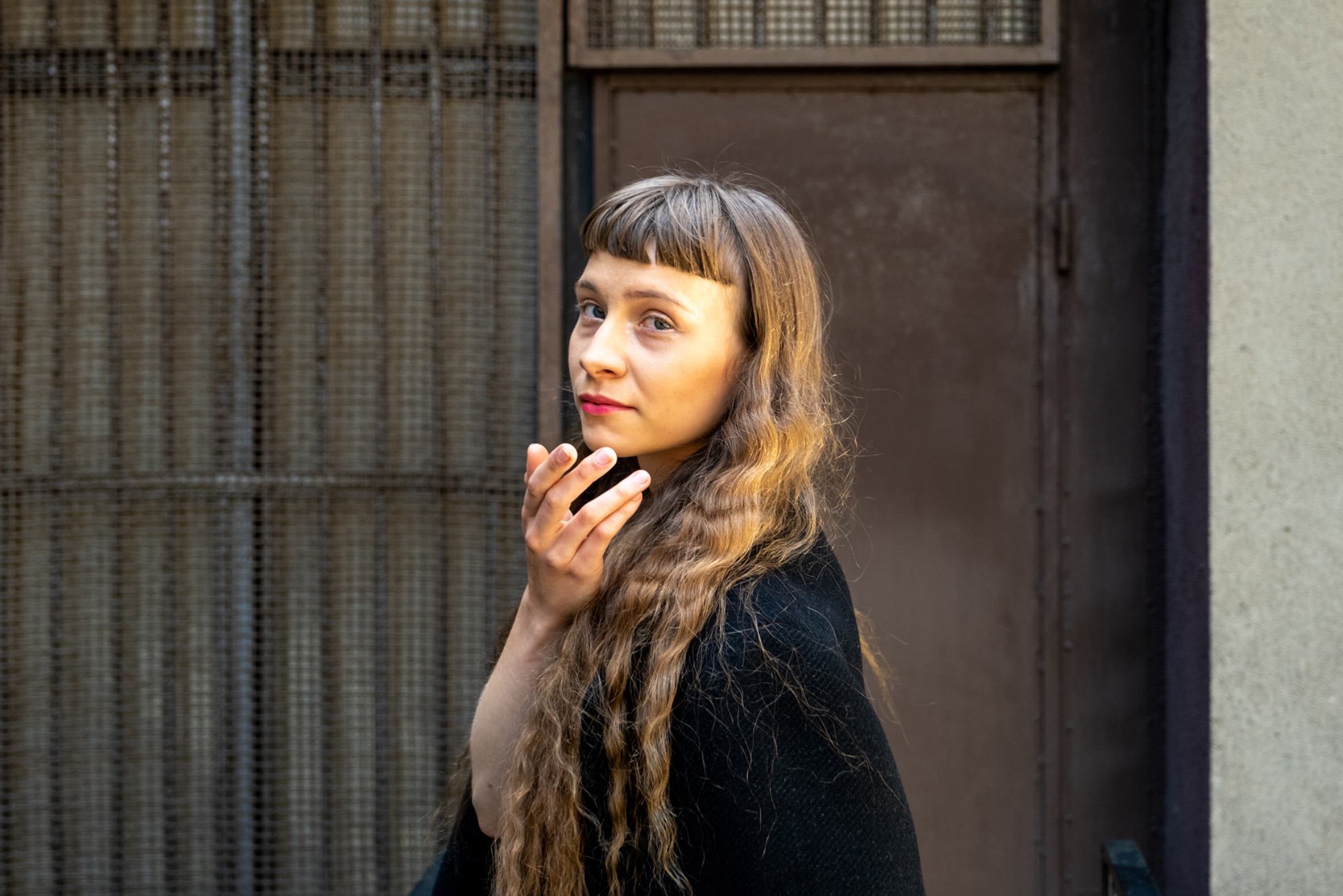
Ariadne: Zuzanna Łapka/Monika Wachowicz/Marta Zielonka
Mojras: Alina Bachara, Zoraya Niru, Milena Sośnierz
Midas: Maciej Dziaczko
Hekate: Natalia Kruszyna
Athenians: Mateusz Barczyk, Agata Fułat, Krystyna Szymura
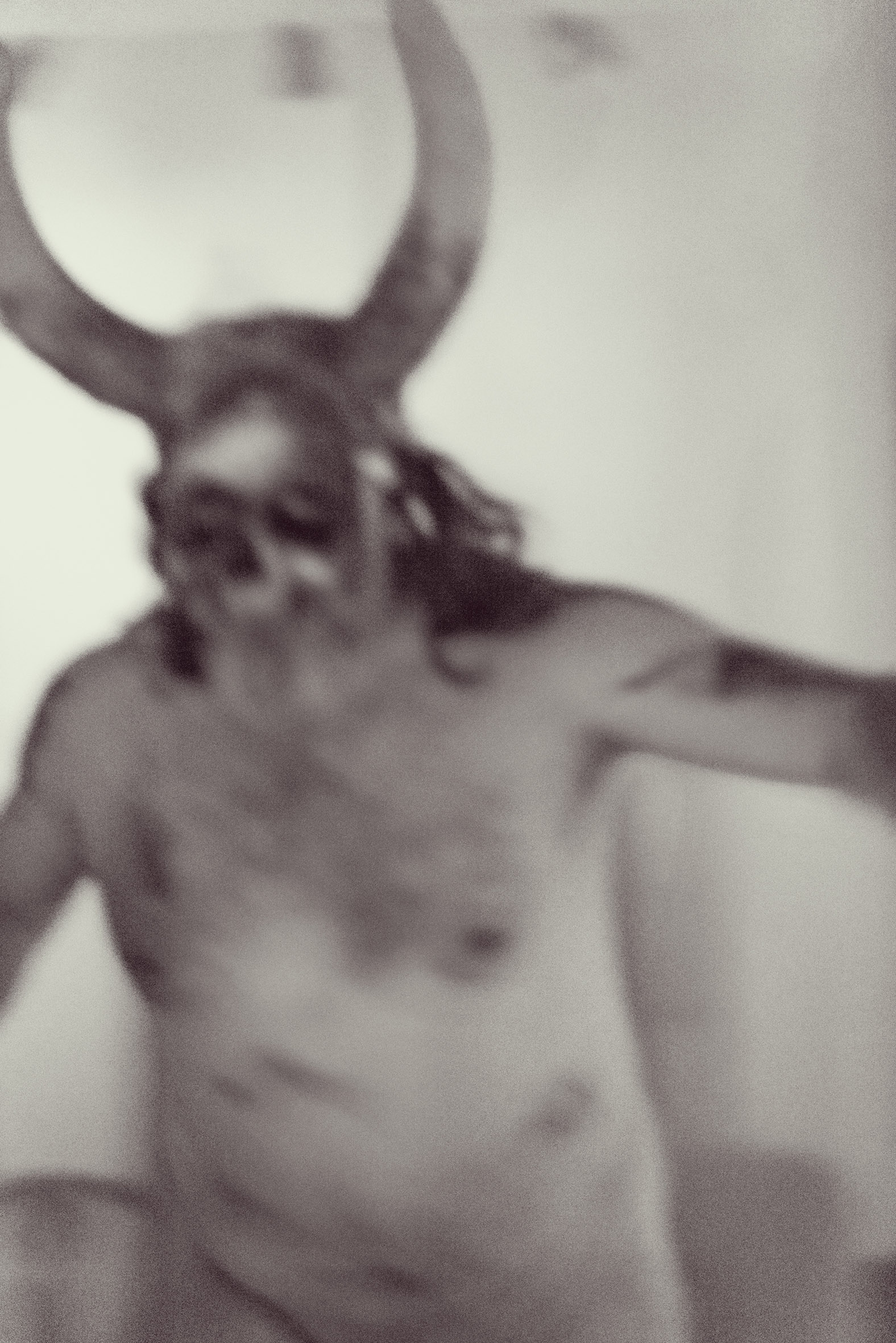
Minotaur: Cezary Kruszyna
Satir: Grzegorz Król
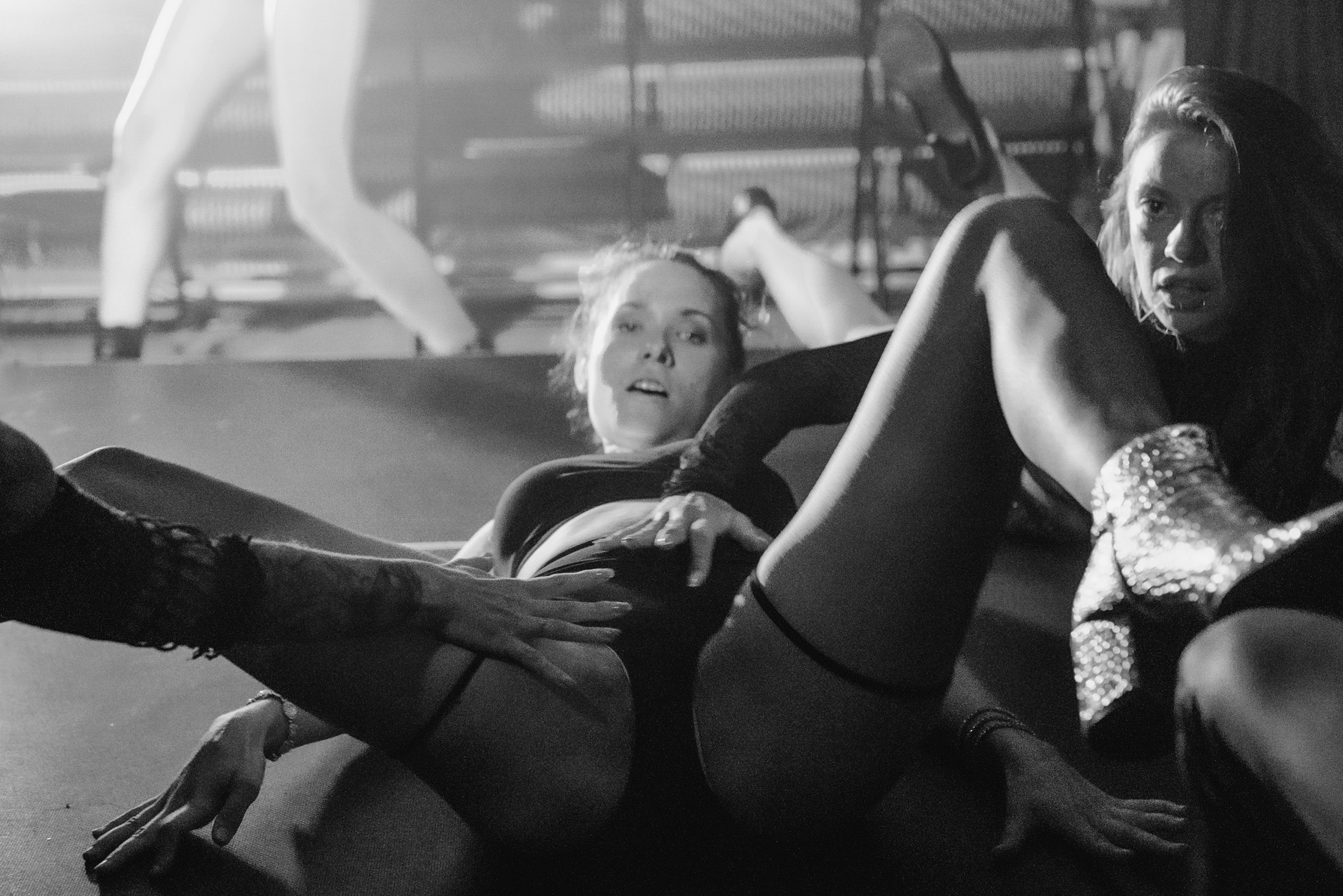
Bacchantes: Anna Flora, Kinga Kaczmarzyk/Katarzyna Gogacz, Paulina Koniarska, Aleksandra Lipowska
Graffiti was created by Andrzej “B. Saint” Bobola.
The performance uses the poem ‘Ariadne’s Tears’ and a compilation of quotations from other poems by Jaroslaw Marek Rymkiewicz.
Reproductions of Max Ernst’s collages from the cycles ‘Woman of the Hundred’ and ‘Week of Kindness or Seven Major Elements’ were used in the performance.
The performance uses the piece “Path 5 (Delta)” by Max Richter and a remix of the songs: “Supernatural” by Cerrone, “Choose Life” by PF Project, “Selected” by Charlotte de Witte and “Hey Boy Hey Girl” by The Chemical Brothers.
The performance uses excerpts from documentaries about naked mole-rats from online resources.
Theatre experience for 1 spectator. The spectator participates in the performance for approximately 45 minutes. The performance is visited by 6 spectators at 15-minute intervals during one show cycle.
TRIGGER WARNINGS!
Due to the form and flow of the performance, it is not suitable for people with reduced mobility, visual or hearing impairments.
There is direct contact between the actors and the audience in the performance. The performance is not intended for people who do not wish to cross their comfort zone.
The performance takes place in dark, cramped spaces and is not for people suffering from claustrophobia.
Stroboscopic effects are used. The performance is not intended for people suffering from epilepsy.
Due to the scenes of nudity and the subject matter covered, the performance is intended for adult audiences only.
PRESENTATIONS
20, 21 of May (premiere), 27, 28 of May, 3, 4 of June, 17, 18 of June 2023 (International Performing Arts Festival A Part)
CRITICS
Illusions, boundaries, participation
Marcin Herich with Teatr A Part first tested the theater for one viewer (it worked in recent years) and for “Alice…” – many staging ideas and strategies are working with the performance. Ariadne is the guide through the labyrinths of Minos, which are therefore entered into the rabbit hole. We know the myth. More or less. The corridors of imagination give much greater possibilities and perspectives (as in dreams, sometimes they are deceptive and closed perspectives). So what is the difference between Alice and Ariadne? The latter can be said to be less literal. More immersed in antiquity than in the present (although several views). And most importantly – we are no longer wandering in the wilderness of INFERNA, but in Dionysian palaces and the mysteries of their routes. yes, in the labyrinth of Ariadne’s dream we can help those who are lost and scared – after all, noises, sounds from the vicinity of the labyrinth arouse anxiety – they remind us of nightmares (at the end of them there is always a monster – Niccolo Pizzicatto), but when we are in them, the paintings Rather they fascinate us rather than terrify us, just as the non-literal, subtle interpenetration of Thanatos and Eros in antiquity is fascinating. The ideal reference for Ariadne are Pompeian mystery villas – spaces where initiations, rituals in honor of Dionysus, mysterious, “martyr-erotic” ceremonies take place. Acts of mirror reflections, masks, ajar doors, thin curtains, we are small from theatrum – because the border is almost non-existent, as if we are in the role of an observer of these rituals, but surprisingly and sometimes too much “inside” – like our own dream, with what time we come to smuggle something, but after waking up we realize that all the threads with the dream have been broken. The second thing – “Ariadne’s Dream” is more compact, condensed – also at the visual level of the image, how much the team is working on a plastic, painterly visualization.
Radek Kobierski, miasto-ogrodow.eu, 07.2023
Photos: Maciej Dziaczko, Grzegorz Krzysztofik
open gallery view video